

San Antonio gives outdoor team events something most cities cannot: a physical setting layered with genuine history. The missions along the river are not props. Brackenridge Park is not a generic green space. The Pearl waterfront carries 140 years of industrial character that shows through in the architecture and the stone. Choosing the right venue means matching that character to your group’s goals.
Picking the right team building in San Antonio, TX venue starts with one question: what does this team need to walk away with? The answer determines which space serves that goal. These five venues each have a distinct identity, and the one that fits your group depends on what you’re actually trying to accomplish.
If you’re still working through the broader logistics of timing, getting around the city, and what to know before the event day, this insider planning guide for San Antonio team building events covers airports, neighborhoods, weather windows, and traffic in detail.
1. Brackenridge Park
Brackenridge Park sits on the Broadway Corridor just north of downtown, stretching across more than 340 acres along the upper San Antonio River. Within its boundaries: the San Antonio Zoo, the Japanese Tea Garden, the Sunken Garden Theater, Lambert Beach, baseball fields, pavilions, wooded trails, and open lawns large enough to accommodate serious group logistics. It is the closest thing San Antonio has to a comprehensive outdoor event campus within city limits.
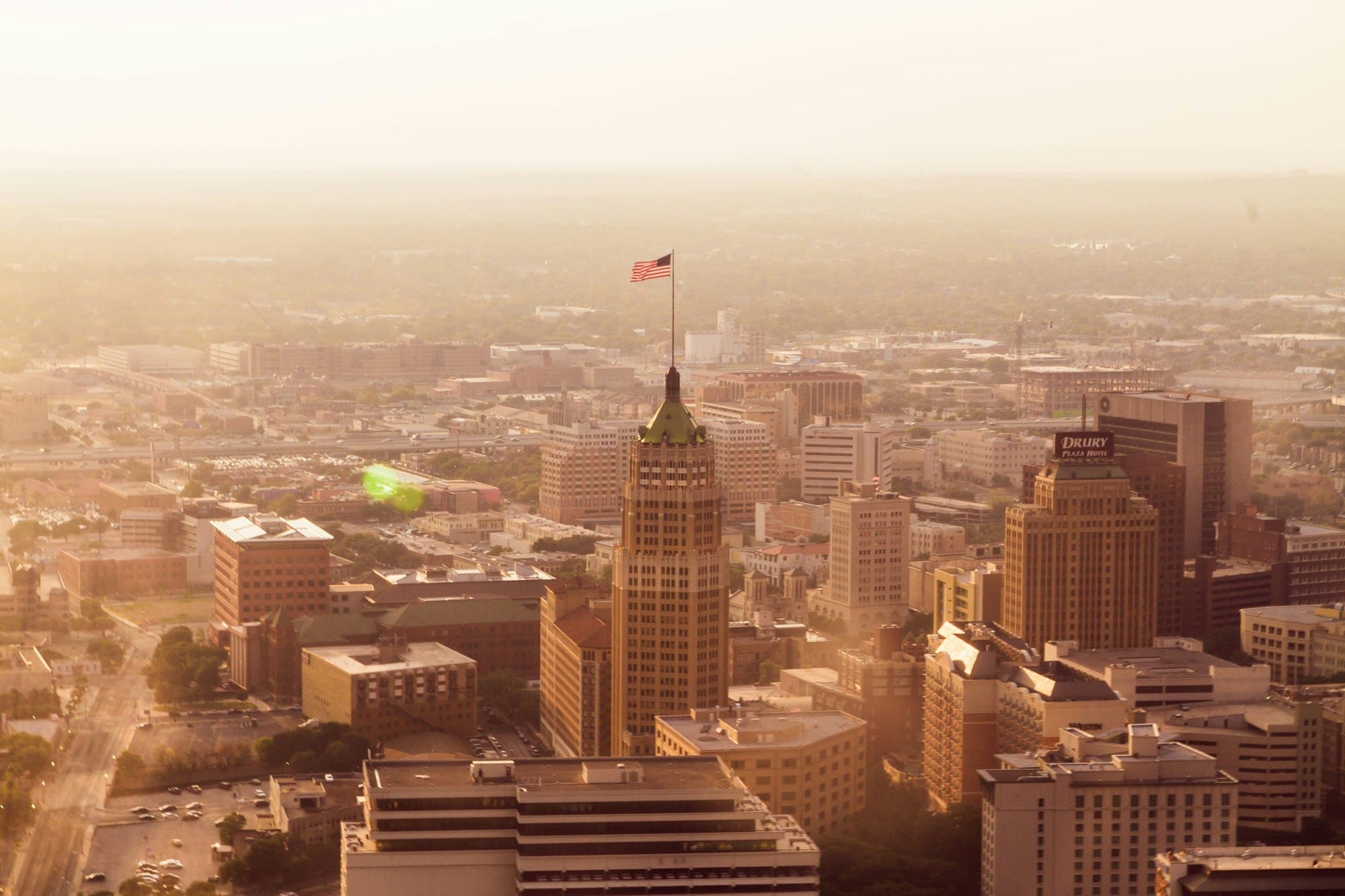
This venue works best for large groups that need operational flexibility. The combination of open lawn space, covered pavilions, wooded corridors, and the river itself gives a skilled facilitator multiple staging areas within a single site. A city-wide format can use the park as a mission zone, while groups can debrief or stage in the pavilion area without pulling everyone back to a remote venue.
The park’s scale also means it can absorb a large group without feeling crowded, which matters for team events where participants need room to move and spread out without constantly bumping into other teams.
What to know: San Antonio Parks and Recreation manages pavilion reservations. Book at least two to three weeks in advance for fall dates, longer for spring. The park is largely open and sun-exposed in the lawn areas, so the outdoor-heat rules for San Antonio apply directly here: outdoor programming from June through September requires morning scheduling and active hydration management. The Japanese Tea Garden and wooded trail sections offer shade that the open lawns do not.
2. The Historic Pearl District
The Historic Pearl is a 22-acre redeveloped brewery complex along the Museum Reach of the San Antonio River, about a mile north of downtown. What makes it useful for team events is not just the space, but the character: original 1880s brick warehouse buildings, open plazas, a riverfront promenade, and a density of restaurants and outdoor seating that means the event and the post-event are in the same place.
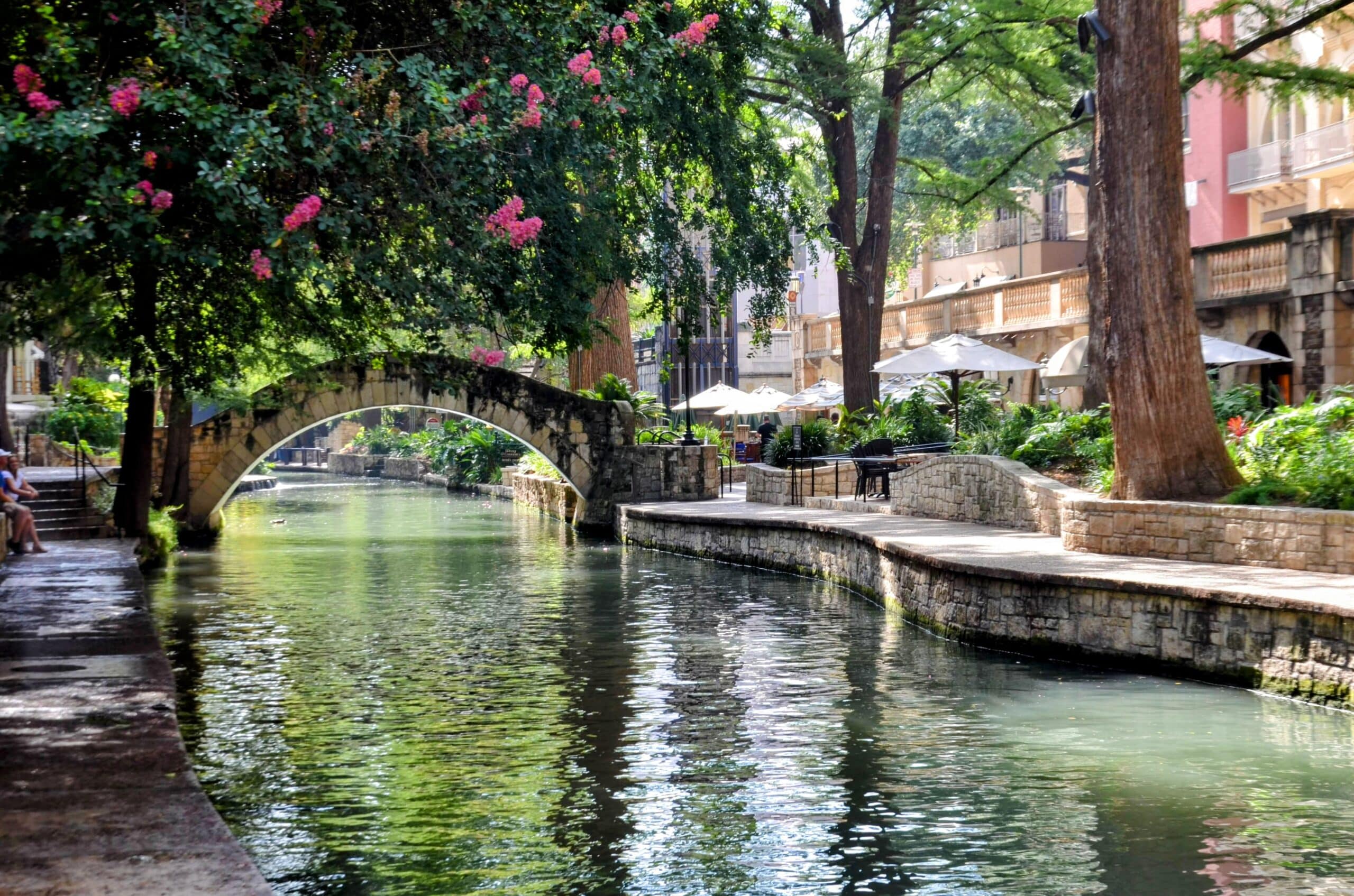
This venue works best for groups where the quality of the environment matters as much as the format of the activity. A city-wide event staged from the Pearl arrives at one of San Antonio’s most distinctive settings. Teams move from the industrial-chic brewery plazas to the river path to the indoor/outdoor hybrid spaces adjacent to the Pearl Park water feature. The physical variety across 22 acres is real, and the architecture gives the experience a visual anchoring that a park pavilion cannot match.
The Pearl also works for groups where the entire event experience matters, not just the competition period. When teams return from challenges to a space this well-designed, the debrief and the dinner feel like a continuation of something rather than an afterthought.
What to know: The Pearl is a mixed-use district operating daily. Corporate event use requires coordination with Pearl’s event team for reserved outdoor space. Weekday events avoid the weekend Farmers Market crowds and the evening dining rush. The Museum Reach river path adjacent to the Pearl is a public right-of-way and suits movement-based challenge segments with no permit required.
3. San Antonio Missions: Mission Reach Trail
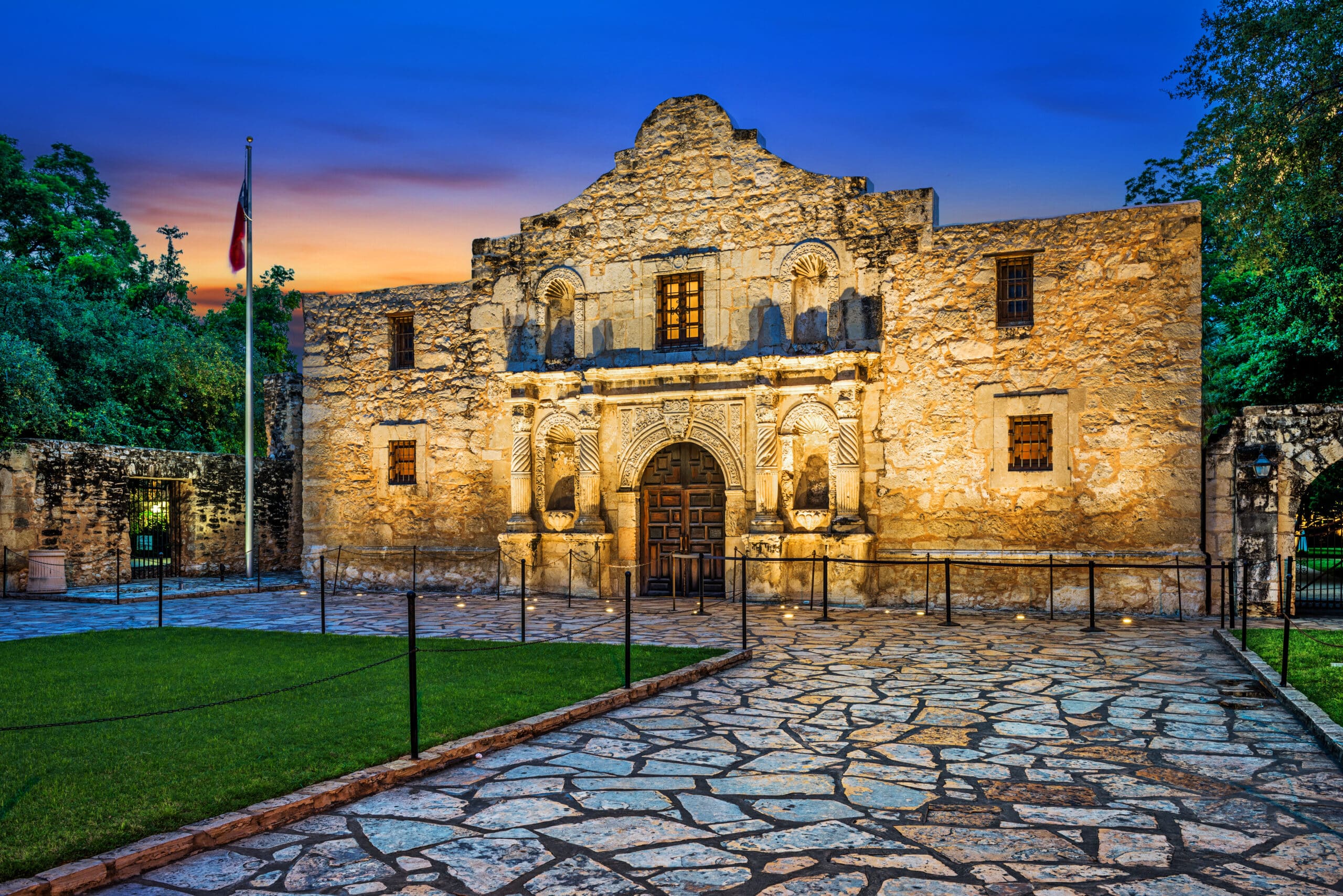
The San Antonio Missions National Historical Park preserves four Spanish colonial missions along the south side of the San Antonio River, connected by the Mission Reach Trail, an eight-mile multi-use path running between downtown and Mission Espada. The trail passes through riparian corridors, past mission gates, alongside public art installations, and through community green spaces that give the experience a sense of movement through the city’s deepest history.
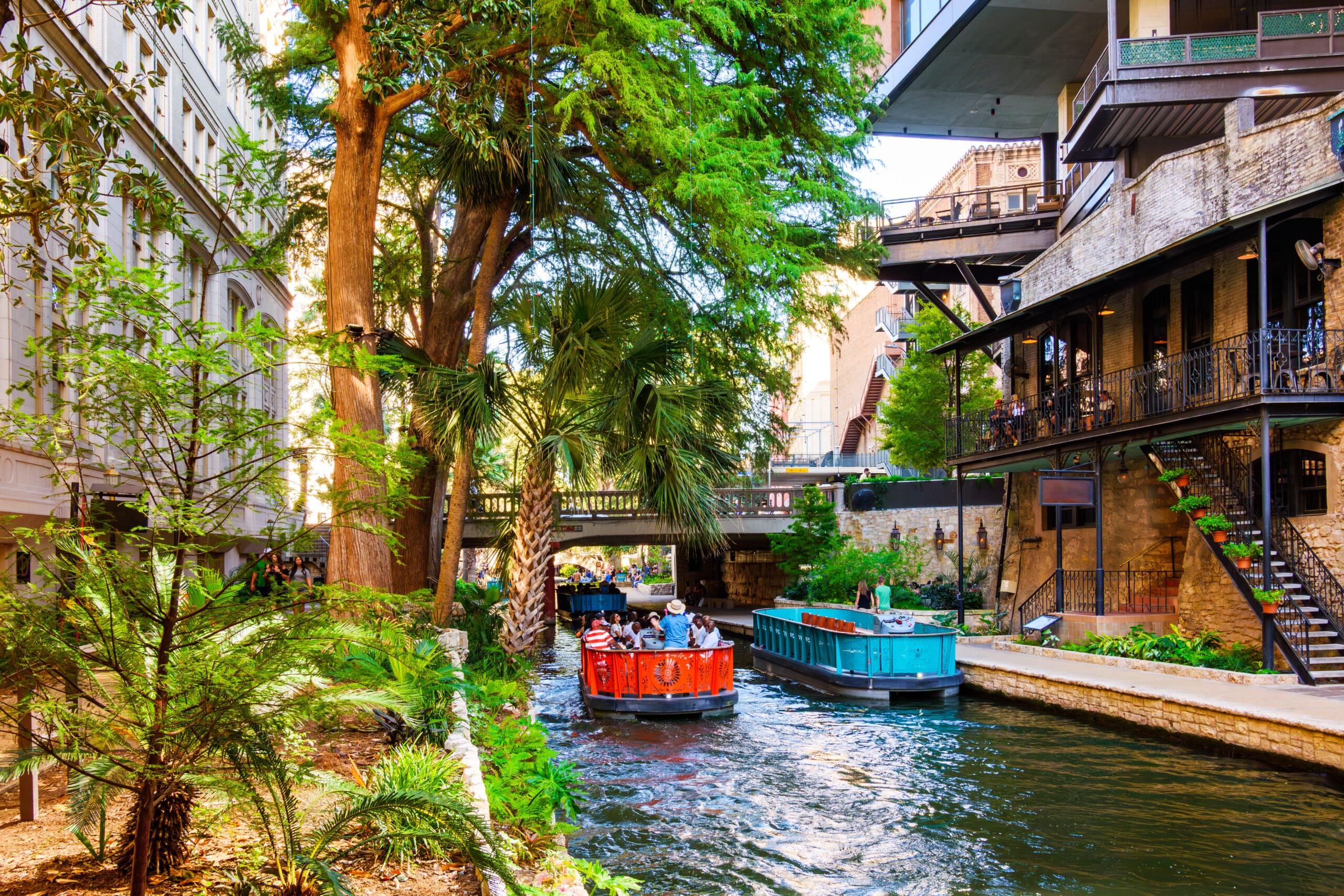
This venue works best for formats built around movement and discovery. The linear structure of the trail is an asset for relay-style or checkpoint-based team challenges. Each mission along the route, Concepción, San José, San Juan, and Espada, functions as a natural waypoint, giving challenge segments built-in endpoints with cultural context. A team arriving at Mission San José, the largest and most intact of the four, understands something about the scale of what was built here that no conference room exercise can replicate.
This is also the right choice for groups that benefit from physical separation from the corporate environment. The Mission Reach puts enough distance between the office context and the event context that people actually relax into the challenge.
What to know: The Mission Reach Trail is a public path. No permit is required for general team movement along the trail. The National Park Service manages the mission sites themselves, and any programming that enters mission grounds or uses NPS facilities requires advance coordination with the park. Morning and early afternoon scheduling is essential between May and September. The trail is largely sun-exposed with limited shade on the levee sections, so hydration planning matters.
4. Brackenridge Park: Friedrich Wilderness Park
Friedrich Wilderness Park occupies 240 acres on the northern edge of San Antonio, where the city meets the southern end of the Texas Hill Country. Ten miles of hiking trails run through limestone canyons, wooded ridgelines, and grassland restoration zones. The elevation change from the parking area to the highest trail point is nearly 300 feet. It does not feel like a city park because, in most meaningful ways, it is not one.
This venue works best for smaller groups, typically under 40 participants, where the goal is genuine psychological separation from the work environment. The distance from downtown, the absence of urban noise, and the difficulty of some trail sections creates a context that is simply not replicable in a plaza or a park lawn. Leadership retreats, senior team sessions, and groups coming out of a difficult stretch respond well to this environment.
The trail variety also supports challenge formats staged as point-to-point or loop sequences. Navigation, observation, and problem-solving activities scale well here because the terrain provides natural friction that a flat park cannot.
What to know: Friedrich has strict rules: no pets of any kind, no bicycles, no skateboards or scooters. Group permits are required for organized events; contact San Antonio Parks and Recreation. The park runs sunrise to sunset with no food vendors or restrooms beyond the parking area. Self-contained logistics are required. Water and sun protection guidance in pre-event communication is not optional in any season.
5. HemisFair Park
HemisFair Park sits at the southeast corner of downtown, occupying the 92-acre site of the 1968 World’s Fair. It is in ongoing redevelopment, with sections completed and others still transforming. What exists now: the Tower of the Americas at the center, Yanaguana Garden in the northern section, the Civic Park adjacent to the Convention Center, and open green spaces connecting them.

This venue works best for groups based at or near the Convention Center who need an outdoor option within walking distance of their hotel or meeting space. The proximity advantage is real for groups with tight schedules or participants who are not mobile between venues. The Civic Park section handles larger group assemblies and has a plaza design that works for kick-off briefings or team-wide debrief sessions.
The park’s ongoing evolution means some sections are more finished than others. The Yanaguana Garden playground and splash pad give the northern section a family-activity energy that may not match every corporate group context. The Civic Park and Tower Plaza sections have a more neutral, usable character for professional events.
What to know: HemisFair is publicly accessible. Organized corporate events using specific areas for structured programming should coordinate with city parks for group logistics. Check the Convention Center calendar before setting dates since the park shares traffic pressure with major convention events. The Civic Park plaza is largely sun-exposed. The established wooded sections offer partial shade.
Frequently Asked Questions
What is the best time of year for outdoor team building in San Antonio? October through mid-November. Temperatures settle into the high 60s and low 70s with low humidity. Spring works with a weather contingency plan for thunderstorms. Summer events must be scheduled before 10 AM.
How far in advance should I book? Two to three weeks minimum for most city parks. Fall weekends at Brackenridge Park book out faster. October and November events should begin permitting a month out.
Which venues require permits? Brackenridge Park pavilion areas and Friedrich Wilderness Park require permits or reservations for group use. The Mission Reach Trail does not require a permit for trail movement, but programming on NPS mission grounds requires advance coordination. The Pearl requires coordination with their events team.
Can Adventure Games Inc. run events at these locations? Yes. Adventure Games Inc. designs experiences built around San Antonio’s distinct venues, including city-wide formats that move through multiple outdoor locations in a single event. See what Adventure Games Inc. brings to team building in San Antonio, TX.