


The corporate event planner’s most common mistake is not picking the wrong activity. It is picking the activity first. Format selection is the last decision, not the first. Everything upstream of it, the team’s actual condition, the outcome the organizer wants, the city’s specific strengths, shapes which format will work and which one will waste everyone’s time.
Seattle makes this mistake easy to commit because the city offers so much. Walkable neighborhoods with distinct identities. A waterfront that runs the length of downtown. Parks, plazas, sculpture gardens, and a restaurant scene deep enough to carry any post-event plan. The options are real. But options without a framework just create more meetings about meetings.
This guide provides the framework.
The Planning Mistake That Kills Most Events
Most planners open a browser and search for activities. They compare escape rooms, scavenger hunts, and cooking classes. They collect quotes. They pick the one that looks fun and has availability on the right date.
The problem is that none of those decisions are grounded in anything specific to the team. A format that generates genuine collaboration in a newly assembled department will bore a veteran leadership group. An intense competitive challenge that energizes a high-morale team will create resentment in a group where trust has eroded. The format is not the variable. The team is.
Before you evaluate a single option, get clear on three things. First, what is the team’s current dynamic? Not the version on the org chart. The actual one. Where are relationships strained? Where is communication working and where has it gone quiet? Second, what outcome would justify the investment? If the event does its job, what changes on Monday morning? Third, what are the physical and logistical constraints? Group size, mobility, time of year, indoor versus outdoor tolerance. These three inputs determine format. Everything else is noise.
What Seattle’s Corporate Culture Does to an Event
Seattle’s corporate DNA is stamped by three industries that do not share much in common except this: they all train people to interrogate assumptions.
Aerospace built the city’s engineering identity. Boeing’s century-long presence created a workforce that thinks in systems and expects precision. Software extended that identity into a second generation. Amazon, Microsoft, and the cloud infrastructure companies that orbit them employ tens of thousands of people in the metro area who default to structured thinking. They are comfortable with ambiguity but impatient with anything that wastes time. The third layer is Pacific Northwest outdoor culture: a deep-rooted expectation that life should include time outside, in weather that is not always cooperative, doing things that require gear and planning.
What this means for a team building event: Seattle groups are engaged but skeptical. They will participate fully if the challenge has intellectual weight. They will disengage fast if the format relies on forced enthusiasm or surface-level competition. Clapping games and trust falls will not survive first contact with a Seattle tech team. Strategy, real decisions, time pressure, and problems that require the full group to solve: that is what earns their attention.
The good news is that this skepticism is not hostility. Seattle’s culture is collaborative at its core. People here default to asking questions rather than issuing instructions. A well-designed challenge draws out the best version of a group because the city’s professional culture has already trained them to solve problems together. The format just needs to give them a problem worth working on.
Matching the Format to the Need
When the team needs to build trust from scratch, the format should prioritize shared experience over outcome. New teams, recently merged departments, and distributed groups meeting in person for the first time need an environment where interaction happens naturally and the pressure stays manageable. City-wide formats that send small groups through Seattle’s neighborhoods work well here because the city itself generates conversation. Walking through Pike Place Market, navigating Pioneer Square’s alleys, or solving challenges along the waterfront creates shared reference points that the team carries back to the office. The emphasis is on the journey, not the scoreboard.
When the team needs to repair communication or break down silos, the format should force interdependence. Every person in the group needs a role that matters. Puzzle-based and constraint-driven formats work well in this situation because they strip away hierarchy. When the clock is running and the only way forward is collective problem-solving, the patterns that sabotage the team in the office become visible in minutes. A product manager who talks over engineers. A designer who withdraws when their idea is not immediately adopted. Those patterns surface fast in a controlled challenge, and that visibility is the first step toward changing them.
When the team is already strong and the goal is investment, the format should feel like something the company could not have offered anywhere else. Senior teams and intact high-performers do not need repair. They need an experience that signals the organization values them enough to invest in something memorable. In Seattle, that means using the city’s specific assets: a competitive mission through the Olympic Sculpture Park and Pioneer Square, a challenge along the waterfront and Seattle Center, or a format that uses the views from Gas Works Park. The quality of the setting carries as much weight as the structure of the event.
When the sole objective is morale and energy, lean physical. Outdoor challenges, field games, and high-energy competition formats serve this purpose. Seattle’s parks and waterfront are strong settings from late June through September. Outside that window, physical formats need to move indoors or carry a serious weather plan. Do not schedule outdoor physical events during Seattle’s wet season unless every participant has been warned and every activity has a covered backup.
If you want a deeper breakdown of how to match each of these formats to your team’s specific situation before making a decision, this guide to choosing the right team building activity for your Seattle corporate group walks through each scenario in detail.
How the Day Should Actually Run
The event that produces lasting value follows a specific rhythm, and it is not the rhythm most people expect.
The briefing sets the ceiling. A facilitator who understands what the team needs can calibrate the challenge in real time: adjusting difficulty, rebalancing groups, shifting emphasis from competition to collaboration if the room demands it. A facilitator reading from a script cannot. The quality of the upfront conversation between organizer and facilitator determines whether the event will be generic or genuinely useful.
The challenge itself is the data collection phase. This is the part most organizers think of as “the event,” but its real purpose is to generate observable behavior. How does the team make decisions under pressure? Who steps up and who checks out? Where does communication break down? A well-designed challenge makes these dynamics impossible to hide. Seattle teams, trained in retrospectives and post-mortems, are often already watching for these patterns. Give them a format that makes the patterns visible, and they will do half the facilitation work themselves.
The conversation afterward is the product. Not a lecture. Not a slideshow. A guided conversation where the group connects what happened during the challenge to what happens in their actual work. When a product team realizes that the decision-making bottleneck in the scavenger hunt is the same bottleneck in their sprint planning, something useful has been created. That connection is the ROI. Everything before it was setup.
Why Seattle Gives This Format Room to Work
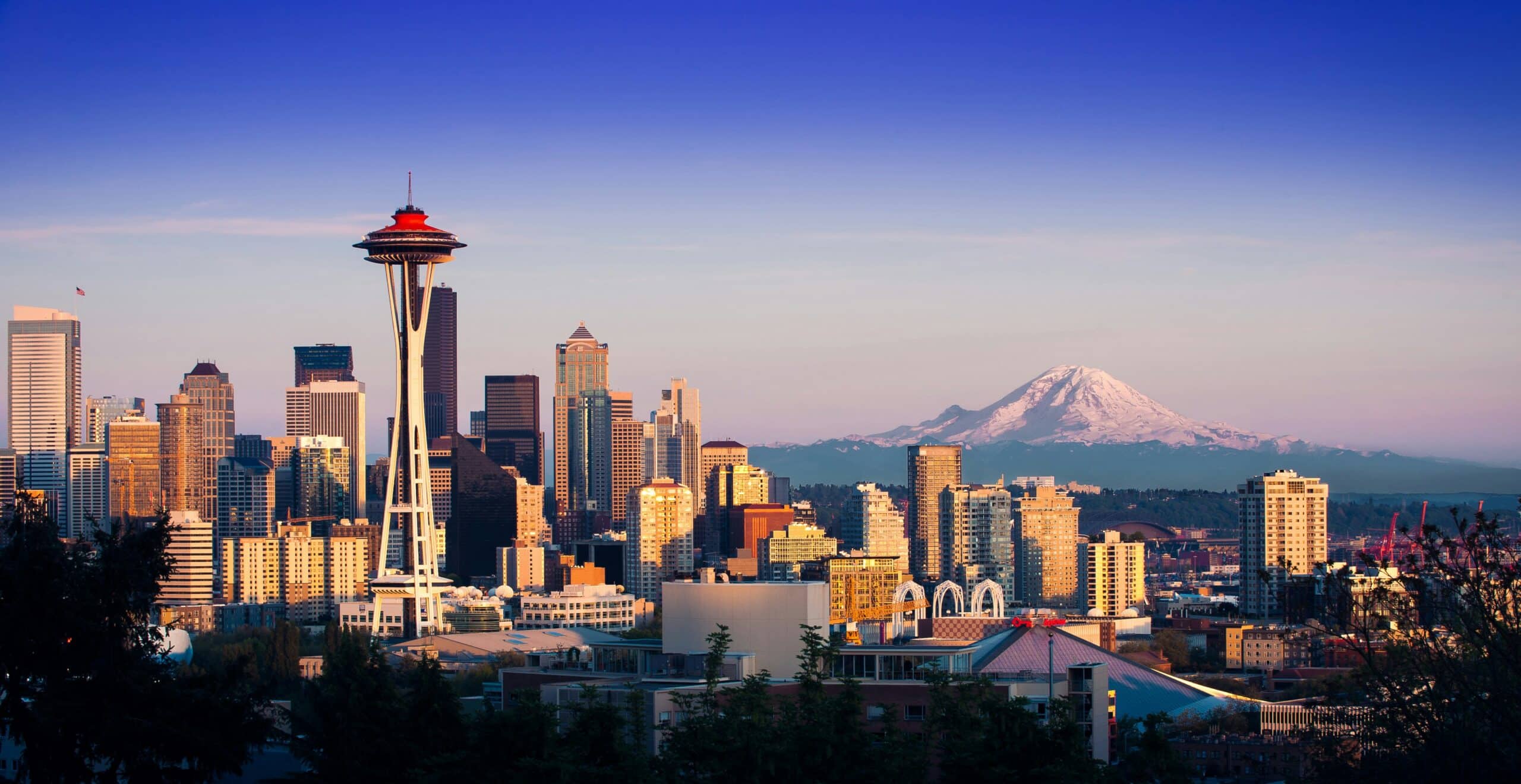
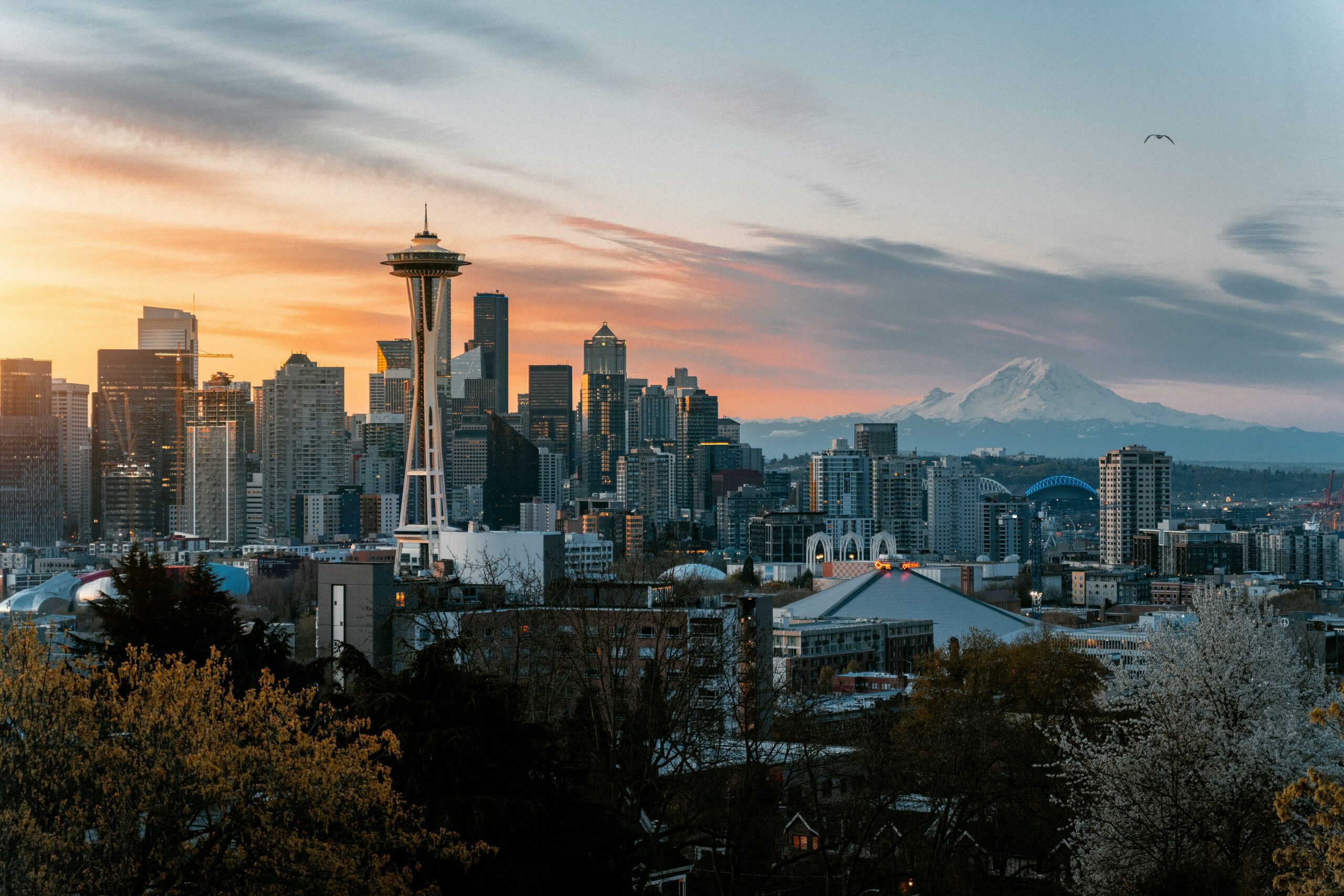
Team building in Seattle, WA benefits from a geography that most American cities cannot replicate. The downtown core is walkable and dense with distinct neighborhoods: the brick-and-timber character of Pioneer Square, the waterfront promenade through Belltown, the cultural density of the Seattle Center campus, the chaos and energy of Pike Place Market. A single event can move a team through four genuinely different environments in three hours without anyone needing transit.
The backdrop contributes more than scenery. Puget Sound and the Olympic Mountains to the west. Lake Union and the Cascades to the east. Evergreen forest visible from downtown streets. People remember where they were when something important happened. Seattle makes those memories vivid.
After the event, the city’s restaurant depth handles the next step. Canlis for a dinner where the setting needs to match the significance. Metropolitan Grill for steaks in the downtown core. Tavolata in Belltown for group pasta in a semi-private loft. Il Terrazzo Carmine for Italian in a Pioneer Square courtyard. The Walrus and the Carpenter for world-class oysters in Ballard. The post-event meal is where the team processes what happened, and Seattle provides the right rooms for that conversation.
How to Book the Right Event
Get the diagnosis right. Match it to a format. Then find a provider who knows Seattle’s terrain well enough to build an event that uses the city rather than just occupying it.
Adventure Games Inc. has been running team building events in Seattle, WA for corporate groups of all sizes across the city’s best venues. If you know what your team needs and want to figure out what that looks like on the ground in Seattle, that is the right place to start.