

Outdoor team building in Palm Springs can be spectacular. It can also fall apart. The desert environment is unforgiving when the planning is loose, and the variety of options in the Palm Springs area means that picking the wrong venue for your format is a real risk. The right choice depends on group size, format type, season, and what you need the environment to do for your team.
These five venues each have a distinct character. Matching them to your group is the work. Team building in Palm Springs, CA performs best when the outdoor venue is selected to match the team’s condition and the event’s objectives, not just the available dates on the calendar.
If you’re still working through the logistics side of your event before committing to a venue, airports, neighborhoods, heat windows, and what makes corporate team building work in the desert are covered in the insider planning guide for Palm Springs team building events.
1. Ruth Hardy Park
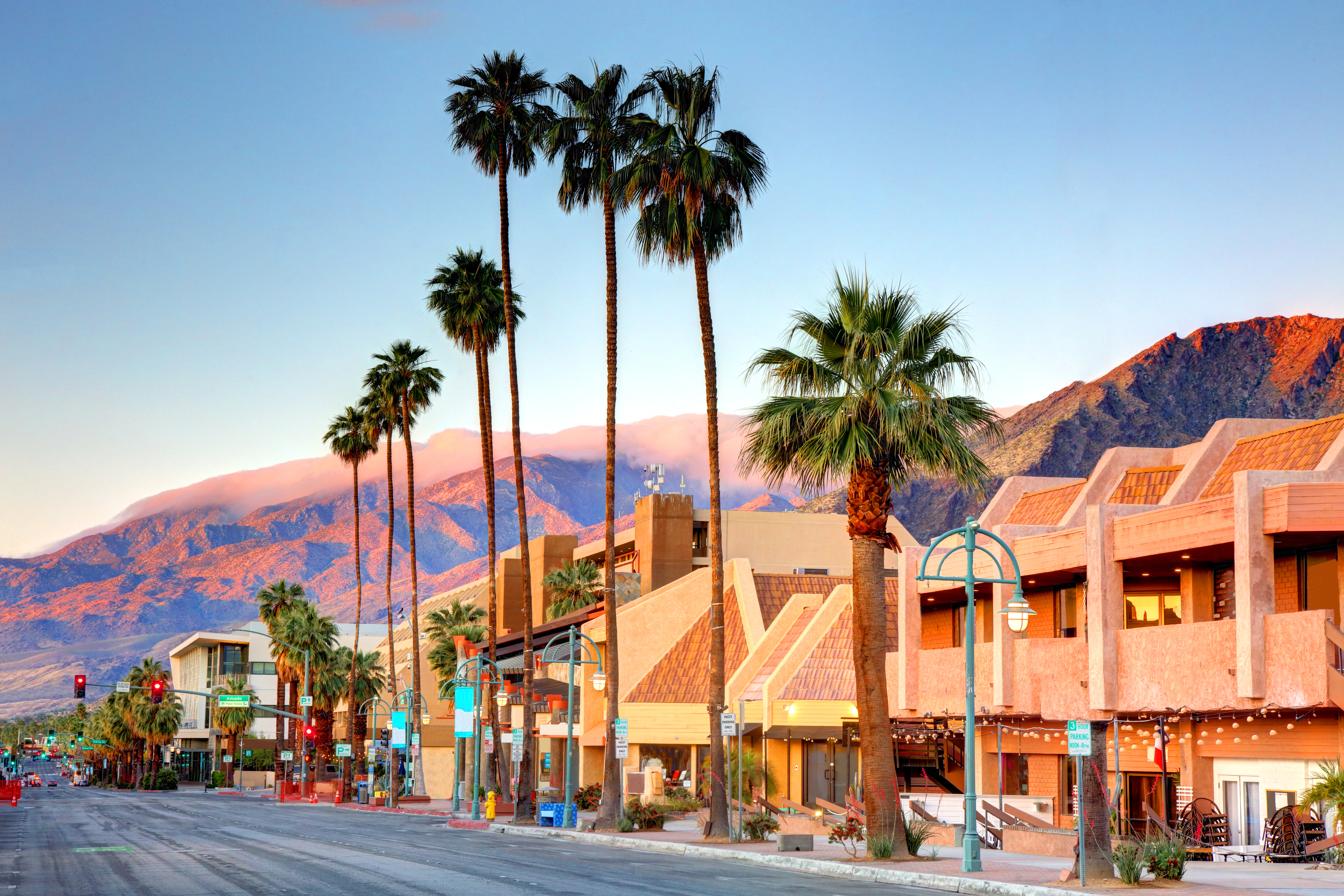
Ruth Hardy Park is the most functionally versatile outdoor venue in the city. Twenty-two acres of open lawn, sand volleyball courts, tennis courts, shaded picnic areas, and mountain views in the northeastern quadrant of Palm Springs. The San Jacinto Mountains form the backdrop to the west. The space is flat, accessible, and designed for multiple activities running simultaneously.
This venue works best for structured, movement-based team challenges with groups of 30 to 150 participants. The layout supports dividing a large group into competing teams that can run parallel events across the lawn without interfering with each other. The open sight lines mean facilitators can manage a large field without losing track of the action.
Ruth Hardy is also the most neutral-feeling of the five venues. It does not have the dramatic natural character of the canyons or the architectural texture of downtown. That works in its favor for events where the team dynamic itself is the focus, not the surroundings. Groups that need a concentrated, competitive format without environmental distraction are well served here.
What to know: Reserve park space through the City of Palm Springs Parks and Recreation Department. Group reservations are required for organized events. The park is open until 10 PM, which gives you flexibility for late-afternoon scheduling. Summer events must be scheduled before 8 AM or after 7 PM. The park offers restroom facilities, grills, and drinking fountains, making it one of the better-supported public venues in the city.
2. Downtown Palm Springs and the Design District
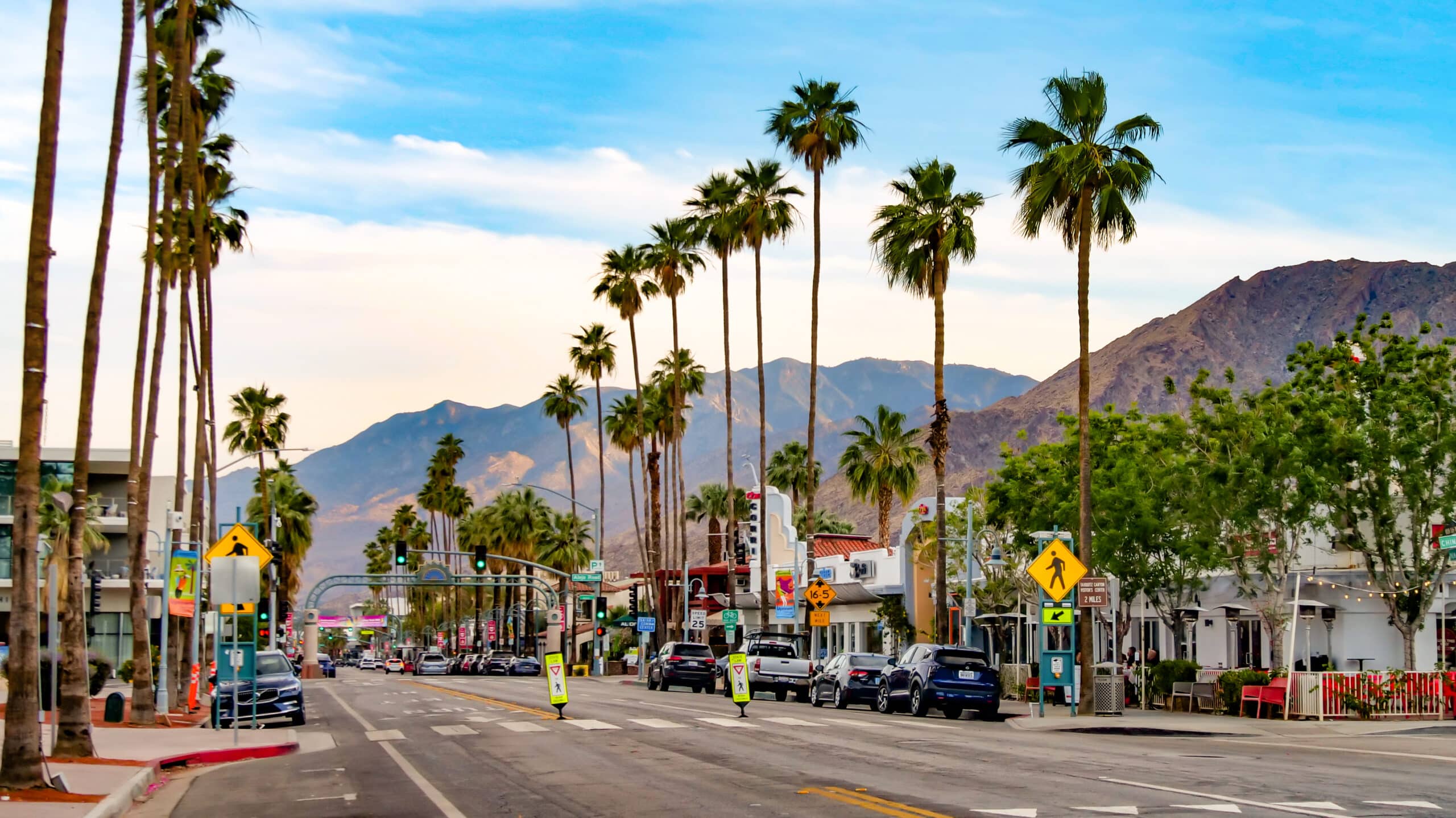
Downtown Palm Springs is not a single venue. It is a district with enough variety within walking distance to sustain a city-wide team event for three to four hours without repeating environments. North and South Palm Canyon Drive, the Uptown Design District, the streets around the Agua Caliente Cultural Museum, Frances Stevens Park, and the alleys lined with mid-century storefronts give a city-wide mission format real texture.
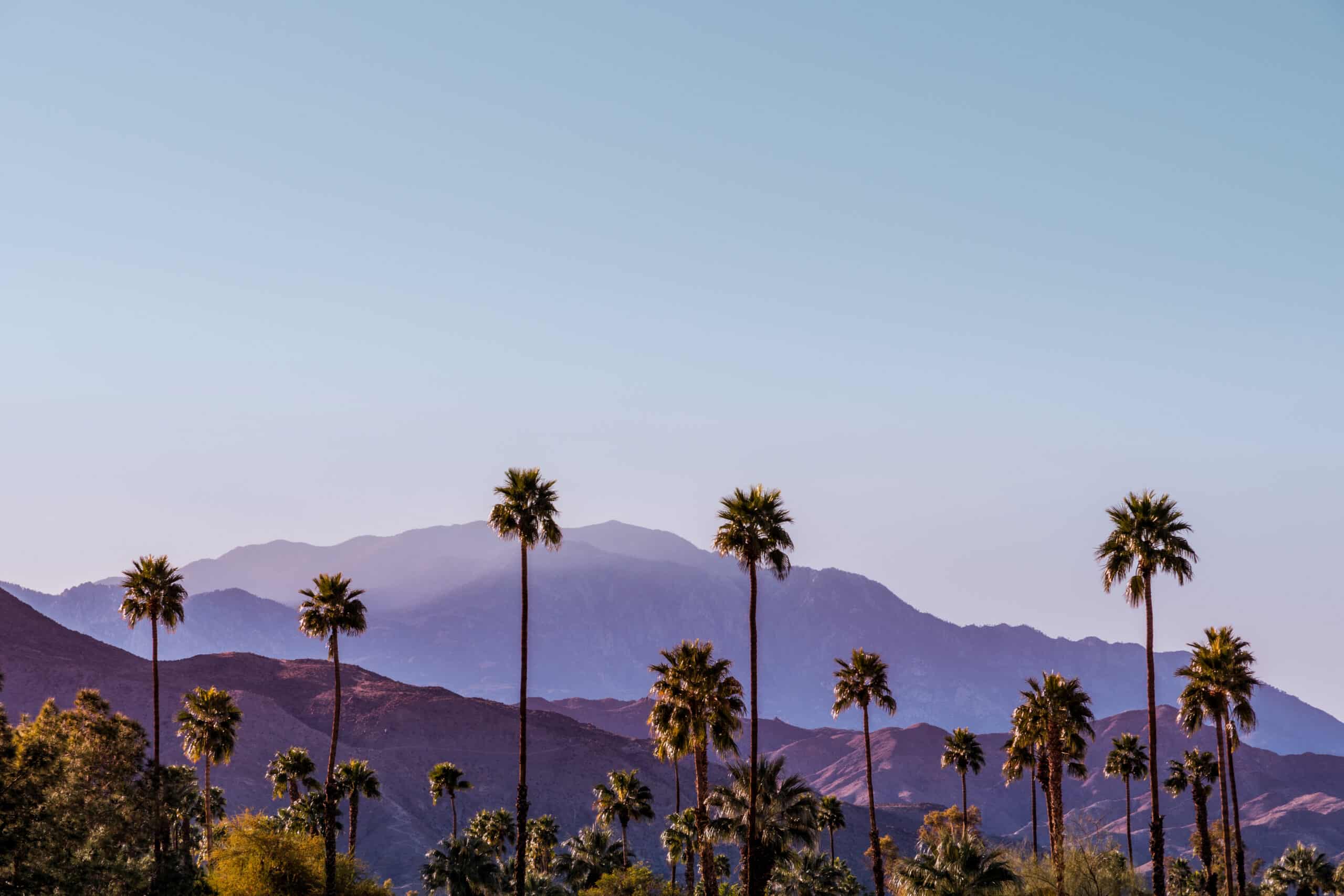
This venue works best for exploration-based and mission-style team challenges with groups of 20 to 120. Teams disperse into the urban environment, solve challenges at real locations across the district, and return to a staging area. The architecture is part of the experience: the Wexler steel houses, the restored boutique hotels, the street art installations in the Design District. None of it looks like a convention center corridor. That visual variety keeps engagement high over the course of a half-day event.
The compact geography of downtown is the key structural advantage. A 15-block radius contains enough points of interest to sustain a well-designed city-wide format without requiring vehicles to move the team between stages.
What to know: City-wide missions use public spaces and do not require venue permits for most formats. Events that require staging materials at specific checkpoints should plan locations carefully to avoid blocking pedestrian traffic on the main commercial strip. Parking for a staging vehicle is available in the public lots off Belardo Road. Midday heat between June and September requires morning scheduling. October through May, downtown hosts this format beautifully at any point in the day.
3. Tahquitz Canyon
Tahquitz Canyon is a 1.8-mile round-trip trail into a narrow canyon on the western edge of the city, administered by the Agua Caliente Band of Cahuilla Indians. The trail passes a 60-foot waterfall, native fan palms, ancient rock art, and the remains of rock dams built by the Agua Caliente people. The canyon walls rise steeply on both sides. The scale and silence are completely different from anything in the downtown corridor.
This venue works best for leadership retreats, small executive teams of 8 to 30 participants, and programs where reflection and connection are the primary goals. The physical environment creates a natural separation from the office context. Groups that enter the canyon arrive in a different psychological space than groups that arrive in a conference room. That shift happens without any facilitation.
The trail is accessible but not trivial. Teams move at a moderate pace over uneven terrain. The waterfall serves as a natural anchor point for a debrief session or a reflective pause in the program. The round-trip timing, roughly 90 to 120 minutes including stops, makes it practical as a component of a longer retreat day.
What to know: Admission to Tahquitz Canyon requires an entry fee paid at the Tahquitz Canyon Visitor Center. The canyon is open from 7:30 AM to 5:00 PM, with the last entry at 3:30 PM. Group visits for organized programs should be arranged in advance through the Agua Caliente Tribe. The canyon closes periodically for traditional and ceremonial use. Check the schedule before finalizing your date. This venue is not suitable for summer midday programs due to canyon exposure and limited shade on portions of the trail.
4. Indian Canyons
The Indian Canyons sit on Agua Caliente tribal land and comprise three canyon systems: Palm Canyon, Andreas Canyon, and Murray Canyon. The area contains the world’s largest native palm oasis, with more than 2,000 Washingtonia filifera fan palms growing in Palm Canyon alone. Andreas Canyon is smaller and more intimate, with a perennial stream, ancient rock mortars, and the visual drama of canyon walls rising above a desert floor covered in native grasses.
This venue works best for programs that need strong visual anchoring and where the physical environment itself communicates something about the scale of the undertaking. The canyons have hosted human life for thousands of years. That weight is palpable. Groups that come here for a team event often report that the setting gave the experience a quality it wouldn’t have had anywhere else.
Format options here include trail-based challenge sequences, observation-and-response activities using the landscape, and staged debrief sessions at canyon overlooks or along the stream in Andreas Canyon. The venue scales well from 15 to 60 participants. Groups larger than that require careful planning to avoid bottlenecking on the trail.
What to know: The Indian Canyons charge an admission fee at the Trading Post entrance on South Palm Canyon Drive. Hours are typically 8:00 AM to 5:00 PM. Organized group events require advance coordination through the Agua Caliente tribal administration. Summer closures are possible during periods of extreme heat. Spring is the peak wildflower season and the most visually spectacular time to bring a group here. Hiking shoes are required. Alert participants in advance.
5. Mesquite Avenue Recreation Area and the North End Green Spaces
The northern residential neighborhoods of Palm Springs above Tachevah Drive offer a different kind of outdoor venue: quieter, less structured, and oriented toward the mountain terrain rather than the urban core. The green spaces along Mesquite Avenue and the access points to the Art Smith Trail and the Bump and Grind Trail system give groups that want movement and natural setting without the permitting complexity of the canyons a practical option.
This venue works best for programs that combine physical activity with collaborative problem-solving for groups of 15 to 50. Trail-based relay formats, navigation challenges, and observation exercises all work in this environment. The residential scale of the neighborhood and the proximity to the mountain ridgeline create a genuinely different mood than downtown or the park.
What to know: No permits are required for trail use by organized groups that stay on public trail systems. The trailheads are accessible by rideshare. Parking is limited to street parking in a residential area, so shuttle logistics matter for groups larger than 20. Morning scheduling is mandatory in summer. In fall and winter, the morning light in this part of the city is exceptional.
Frequently Asked Questions
What is the best time of year for outdoor team building in Palm Springs? October through April is the window. November through March is the peak: temperatures in the 65 to 75 degree range, no wind events, clear skies, and the mountain backdrop in full color. Summer outdoor events are possible before 9 AM and after sunset but require heat management planning.
Which venue is best for a large group of 100 or more? Ruth Hardy Park is the only venue on this list with the open ground to support a structured event for that many participants simultaneously. Downtown Palm Springs can accommodate large city-wide formats because teams disperse across the district rather than occupying a single space.
Which venues require advance permits or reservations? Ruth Hardy Park requires a reservation through the City of Palm Springs for organized events. Tahquitz Canyon and Indian Canyons require admission fees and advance coordination with Agua Caliente tribal administration for organized programs. Downtown and the northern trail areas do not require permits for trail use.
Can Adventure Games Inc. run programs at these locations? Yes. The formats are designed to work with Palm Springs’ specific geography, architecture, and natural environment. See what Adventure Games Inc. brings to team building in Palm Springs, CA.