

Most team building events fail before they start. Not because the activity was bad. Because nobody identified what the team actually needed before choosing a format.
Austin gives you more variety than most cities. The weather cooperates. The neighborhoods have texture. The venues are plentiful. And still, most corporate events here end up feeling like a company picnic with a logo on the t-shirt. The problem is almost never the city. The problem is the approach.
Name the Problem Before You Name the Activity
Every team building event is an investment: travel costs, time away from desks, and the event itself. That investment only returns value if it addresses something real.
Most planners start by browsing activities. That is backward. The useful starting point is an honest assessment of where the team stands today. Has a recent hiring wave brought in people who have never worked together in person? Are two groups that should be collaborating operating on separate tracks? Did a rough quarter leave morale in a place where people need to feel valued? Is the team performing well and the event is meant to reinforce that?
These are different conditions. They call for different formats. A competitive scavenger hunt through South Congress will energize a cohesive team looking for a reward. That same format can surface tension in a fractured group and make things worse if there is no structure to process what happened. The condition determines the format. Not the other way around.
What Austin’s Industry Mix Does to Format Selection
Austin was built in layers: state government first, the University of Texas second, then Dell and the early tech wave in the 1980s, then the music and creative economy, then the second tech wave that brought Apple, Tesla, Oracle, and a flood of startups. The result is a city where analytical thinking and creative instinct coexist in the same corporate group, sometimes in the same department.
That mix produces teams with specific expectations. People from Austin’s tech corridor tend to be analytical. They disengage from activities that feel arbitrary or lack a clear objective. People from the creative and media side bring production-quality expectations. They notice when an experience feels improvised or low-effort. People from state government and education sectors tend to be process-oriented and respond well to structured formats with clear rules.
The common thread across all of them is a low tolerance for anything generic. Austin teams are used to living in a city that prides itself on being different. A cookie-cutter corporate outing will lose the room before lunch.
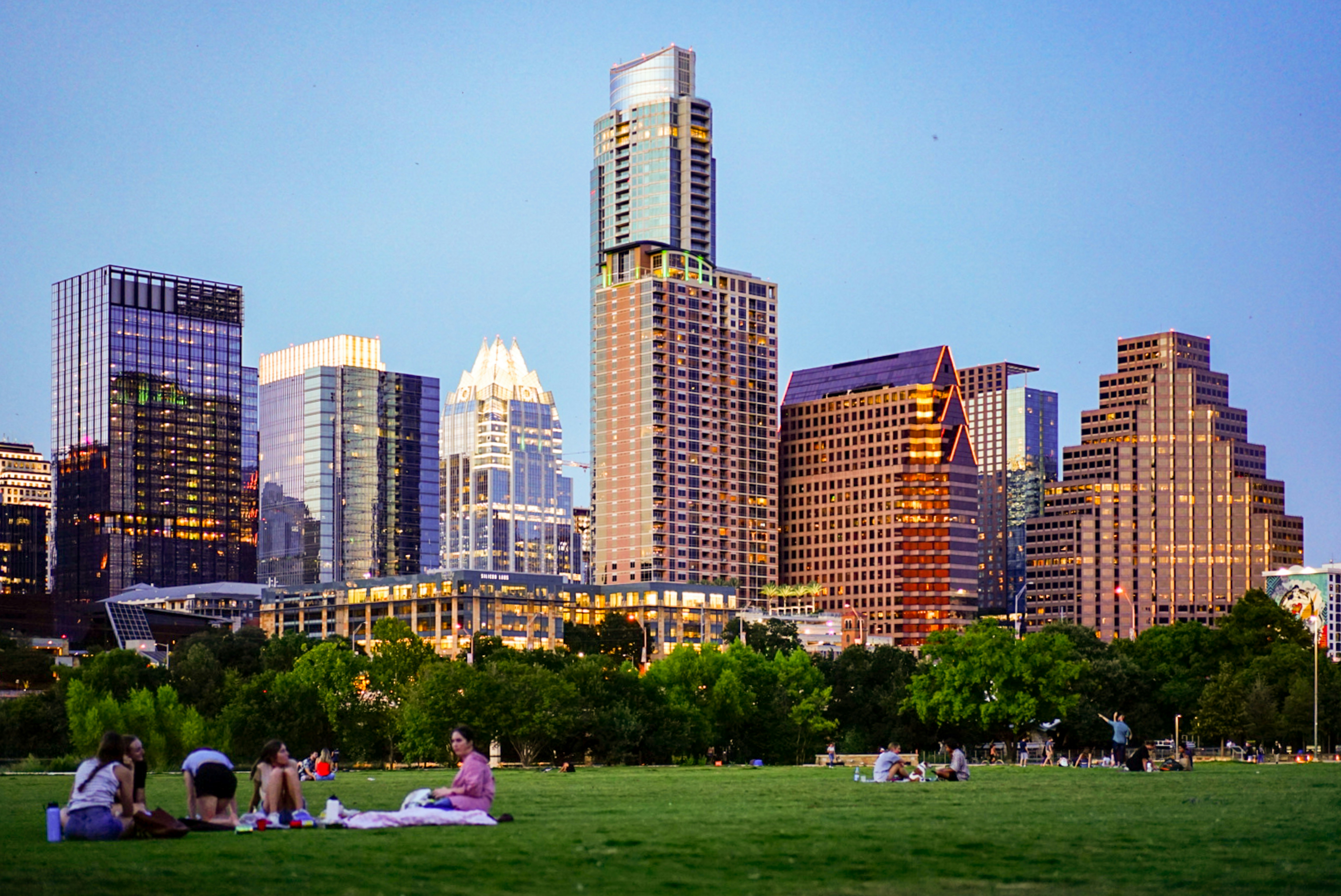
The other factor is geography. Austin is more walkable than most Texas cities, but the useful walkable zone is concentrated. Downtown, South Congress, Rainey Street, East Austin, and the lakefront are all within a tight radius. Outside that core, everything requires a car. The best team building in Austin, TX events commit to one zone and build everything within it.
Formats and When They Earn Their Place
City-wide competitive formats put teams on the ground in a real Austin neighborhood, working through missions under time pressure. South Congress gives you murals, boutiques, and the Congress Avenue Bridge bat colony. Rainey Street puts teams in a contained, walkable strip of converted bungalows and patios. The East Side offers street art, food trucks, and an energy that makes corporate groups feel like they are seeing something real. These formats generate shared stories. The team that solved a puzzle outside the Continental Club or sprinted past Franklin Barbecue has a reference point that persists long after the event. This format works broadly because the competitive structure gives high performers something to lock into while the small-group design creates organic interaction for teams still finding their rhythm.
Puzzle and constraint-based formats serve a different purpose. When the issue is siloed departments or a team where certain voices dominate every meeting, the format needs to create conditions where the usual power dynamics cannot operate. The closed setting strips away titles and routine. The person who runs every standup may freeze. The quiet analyst who never speaks up may be the one who cracks the problem. Those reversals are diagnostic. A skilled facilitator captures them and uses the conversation afterward to connect what happened in the room to what happens in the office every Tuesday.
Strategy simulations ask more from the participants. Multi-stage decisions, resource tradeoffs, consequences that cascade. These suit executive groups and senior leadership teams that are already aligned and want to be pushed. Austin’s tech and startup culture produces leaders who make high-stakes decisions daily. The simulation has to be sophisticated enough to hold their respect.
Outdoor physical formats serve a specific and narrow purpose: they get people moving, they lower cortisol, and they build shared physical experience. Zilker Park, the Butler Hike-and-Bike Trail around Lady Bird Lake, and the Barton Creek Greenbelt all provide settings that feel like a genuine break from the office. Austin’s climate makes outdoor formats viable nearly year-round. The limitation is that activity alone does not address dysfunction. If the team has trust or communication problems, a relay race at Zilker will not fix them.
If you want a more specific breakdown of how to match formats to your team’s condition, this guide to choosing the right team building activity for your Austin corporate group walks through each scenario in detail.
What Separates a Strong Event from a Forgettable One
The difference is rarely the activity. It is the preparation, the facilitation, and what happens after.
A strong event begins with a conversation between the organizer and the facilitator about what the team needs, not what they want to do. Those are different questions. A team that asks for a beach day may actually need a structured experience that creates new working relationships across departments. A good facilitator reads the subtext.
During the event, facilitation quality matters more than venue quality. A skilled facilitator adjusts in real time: raises stakes when a group is coasting, offers a quiet reset when a group is struggling, and reads the room faster than the room reads itself. In Austin, where people are accustomed to experiences with genuine production value, anything that looks disorganized loses credibility immediately.
After the event, the conversation determines whether the experience becomes a reference point or a footnote. The best follow-ups are specific. They name the moment the team almost fell apart and recovered. They name the leader who stepped back and let someone else take over. They connect those moments to real patterns in the workplace. That connection is where the return lives.
Why Austin Gives This Format Room to Breathe
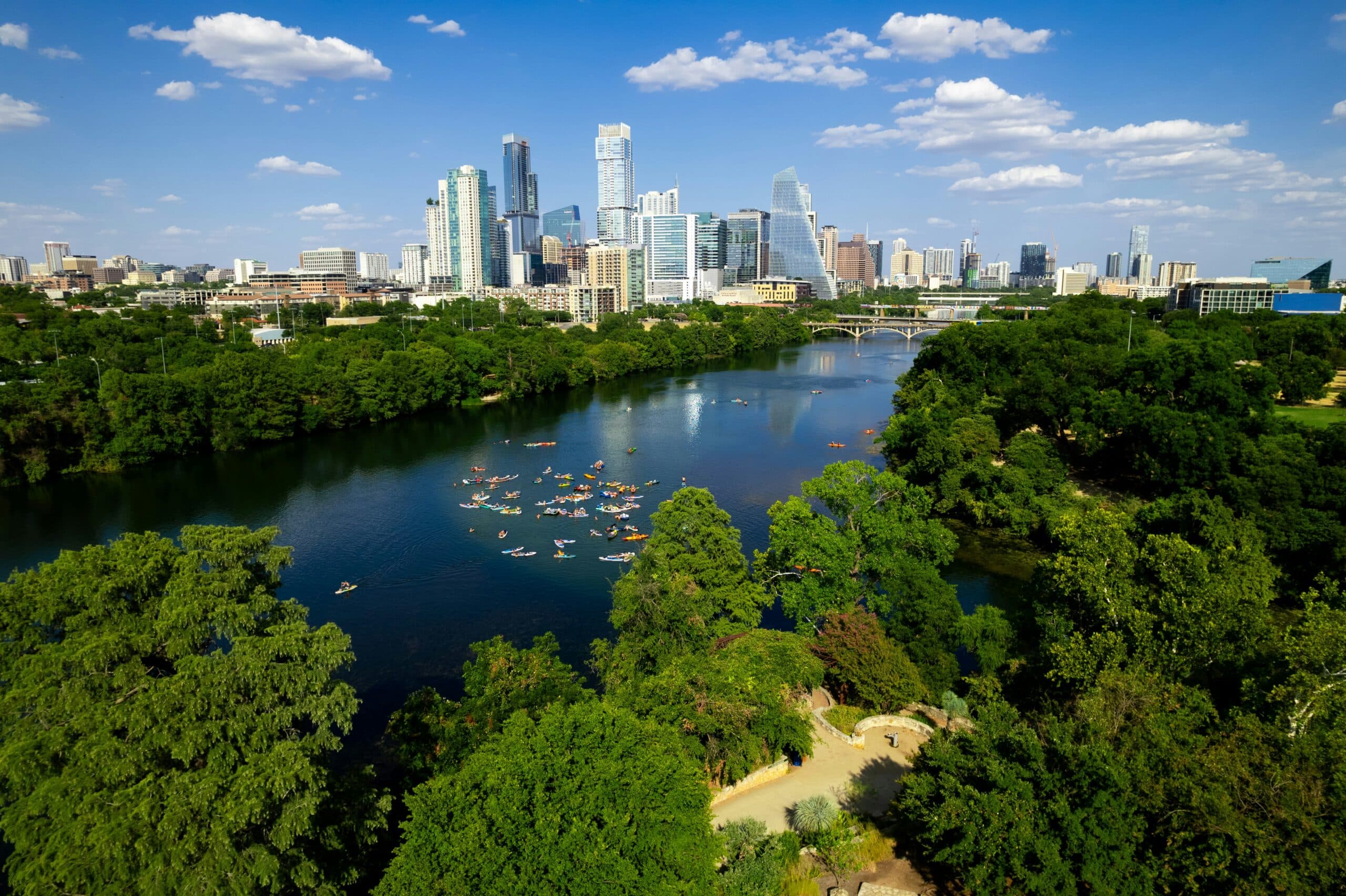
Austin’s physical layout is genuinely useful. Lady Bird Lake bisects the city, with downtown on the north shore and South Austin across the water. The Butler Trail loops ten miles around the lake and connects the key districts. Zilker Park, the Congress Avenue Bridge, Auditorium Shores, Rainey Street, and East Austin are all within a manageable radius. That concentration gives a well-designed event room to move through meaningfully different environments without losing time to transit.
The restaurant scene also means the post-event portion of the day handles itself. Franklin Barbecue, Terry Black’s, Uchi, Emmer & Rye, Loro: there is no shortage of places to take a corporate group for a meal that lands well. If you need venue-specific options for the outdoor component, the top 5 outdoor team building venues in Austin TX covers each location in detail.
How to Book the Right Event
Start with the team’s condition. Find a format that addresses it. Then find a provider who knows Austin well enough to build around the weather, the traffic, and the specific character of the neighborhood you have chosen.
Adventure Games Inc. runs team building events in Austin, TX for corporate groups of all sizes across the city’s strongest neighborhoods. If you know what your team needs and want to figure out what that looks like on the ground in Austin, that is the right place to start.