

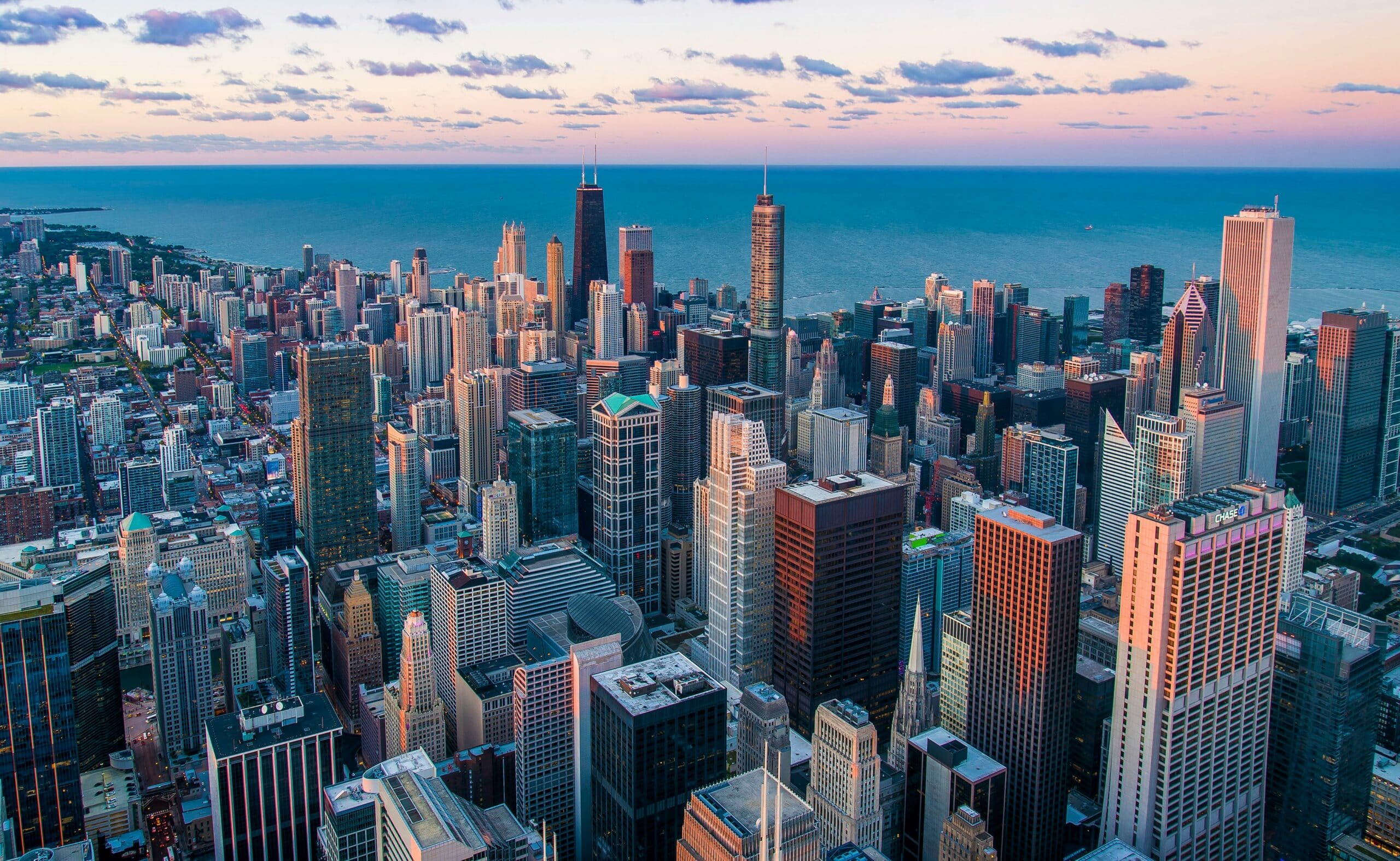
Chicago does not do small. The skyline announces that before your plane touches down at O’Hare, and the city backs it up on every block. The architecture, the food, the wind off the lake, the attitude: everything here operates at full scale. If you’re bringing a corporate group to Chicago for a team building event, you’re working with a city that has more raw material than almost anywhere else in the country. The challenge is knowing which parts to use.
This guide is written for planners who want specifics, not a list of things Google could have told you.
Understand What Kind of City You’re Dealing With
Chicago is a transit city. That is the single most important planning distinction between Chicago and most other major U.S. metros. The CTA runs eight L train lines and over 100 bus routes, and the system actually works for moving corporate groups through the core. You do not need to rent a fleet of shuttles to run a team event here. That changes the math on what’s possible in a single day.
The city sits on a grid, and the grid makes sense. State Street is the east-west dividing line, Madison Street is the north-south dividing line, and every address tells you roughly how far you are from both. Eight blocks equals one mile. Once your team understands that system, navigation becomes a solved problem.
Two airports serve the metro. O’Hare International Airport is the major hub, about 45 minutes from downtown by the Blue Line L train and 30 to 50 minutes by car depending on traffic. Midway International Airport is closer to downtown, about 25 minutes on the Orange Line, and handles mostly Southwest and budget carrier flights. If your team is flying in from multiple cities, check both. Midway is often faster door-to-door for people coming from anywhere Southwest serves.
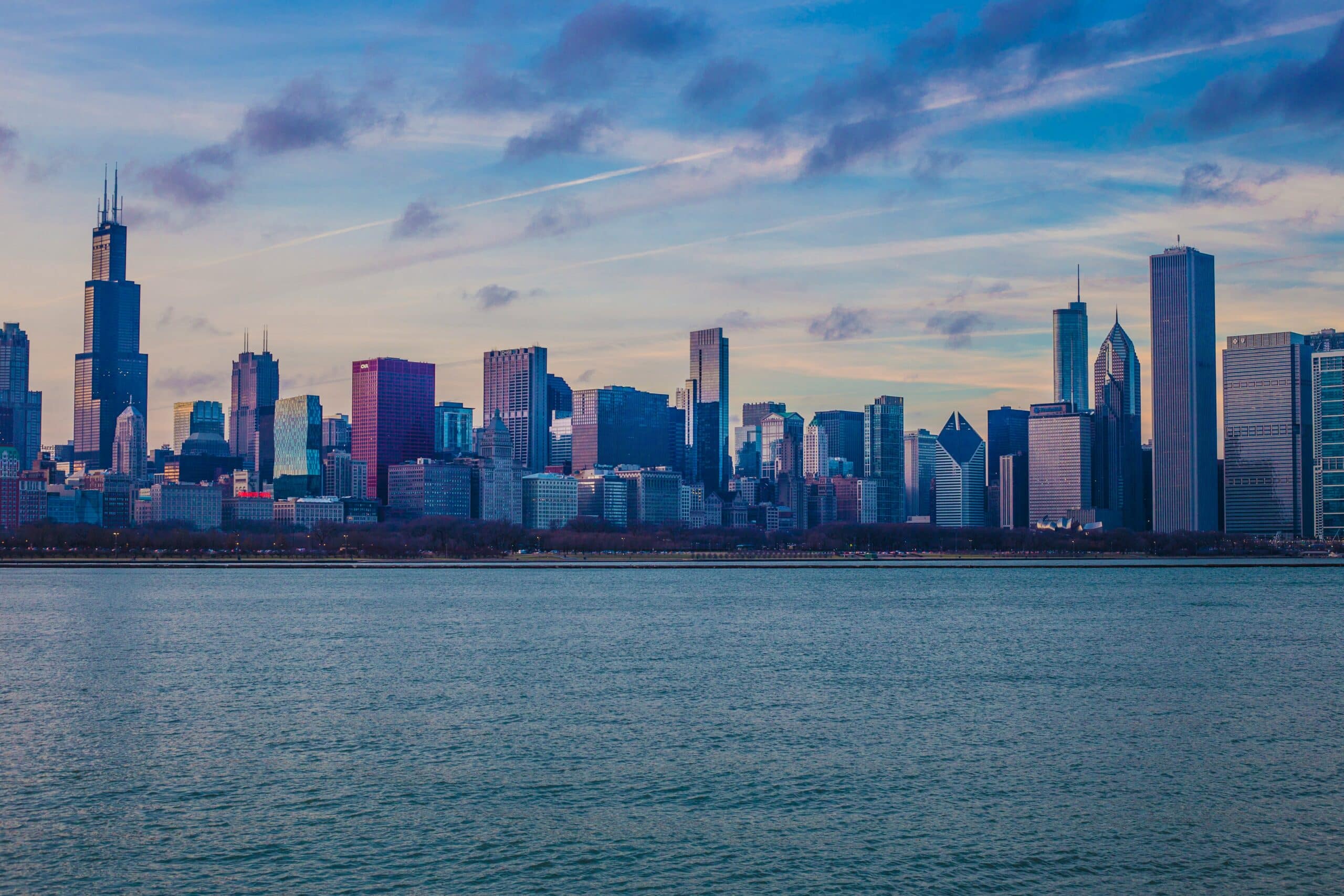
The lakefront is the other structural feature that matters for planning. Lake Michigan forms a hard eastern boundary for the city, and the 18-mile Lakefront Trail running along it is one of the best public outdoor corridors in any American city. For team building events with an outdoor component, the lakefront changes what you can offer.
The Neighborhoods Worth Knowing
The Loop is the commercial core. The name comes from the elevated L train tracks that literally loop around the central business district. The major hotels are here or within a few blocks: the Palmer House, the Hilton Chicago, the Fairmont. Millennium Park sits at the Loop’s eastern edge and is one of the best staging areas for a corporate group event in any city in the country. Cloud Gate, the Pritzker Pavilion, Lurie Garden: the park gives you genuine visual variety within a compact, walkable space. McCormick Place, the largest convention center in North America, sits about a mile south of the Loop along the lakefront.
River North is immediately north of the Loop across the Chicago River and is where most out-of-town corporate groups end up for dinner. The restaurant density here is high, and the quality ceiling is real. RPM Italian handles group dining well and has private event space for up to 500. The neighborhood is walkable from most Loop hotels and has a polished energy that reads well for client-facing events.
West Loop / Fulton Market is the restaurant neighborhood. What was a meatpacking district 15 years ago is now the densest collection of nationally recognized restaurants in Chicago. Girl and the Goat, Au Cheval, and a dozen other spots that draw national press are all within a few blocks of each other on Randolph Street. For a post-event dinner where the food needs to make an impression, this is the neighborhood. The one logistical note: Fulton Market is west of the Kennedy Expressway, so walking from a Loop hotel takes about 20 minutes. Rideshare or the Green/Pink Line to Morgan station is faster.
Lincoln Park is the North Side neighborhood that wraps around the park of the same name. Lincoln Park itself is 1,200 acres of lakefront green space stretching seven miles along the shore. The Lincoln Park Zoo, the conservatory, North Avenue Beach, and miles of trail give you a real outdoor venue without leaving the city. For team events that need space and scenery, Lincoln Park delivers both.
Wicker Park and Bucktown sit northwest of downtown and are connected by The 606, an elevated trail built on an abandoned rail line. The neighborhoods have a creative, independent energy that reads differently from the polished Loop or River North. Good coffee, good retail, good street art. For groups that want an event environment that feels less corporate, this area provides it.
The Chicago Riverwalk is not a neighborhood, but it functions like one for planning purposes. The Riverwalk is a 1.25-mile pedestrian path along the south bank of the Chicago River running through the heart of downtown. Restaurants, bars, kayak rentals, and public seating line the route. For a team event that uses the core of the city as its playing field, the Riverwalk is a natural connective corridor.
If you’re planning an outdoor component and need venue-specific guidance, the top 5 outdoor team building venues in Chicago IL covers each location in detail: what kind of group it suits, what the permit process looks like, and what to watch out for.
The Thing About Chicago and Weather
Chicago weather is a planning variable that cannot be ignored. The city earns its reputation.
Winters are real. December through February averages in the 20s and 30s, with wind chill regularly pushing the feel below zero. The wind off Lake Michigan in winter is a physical force, not a metaphor. Any outdoor team building event between December and early March needs to be indoors or designed with very short outdoor segments and warm indoor staging areas between them. The National Weather Service Chicago forecast office is worth bookmarking for date-sensitive planning.
Spring (March through May) is transitional and unpredictable. March can still deliver snow. April is cool and often windy. May is when Chicago starts to turn, and by late May the city is genuinely pleasant. Build flexibility into any outdoor spring event. A backup indoor plan is not optional before mid-May.
Summer (June through August) is the window. Chicago in summer is one of the best cities in the country. Temperatures average in the 70s and 80s, the lakefront is at full capacity, and the city runs a near-constant schedule of festivals and outdoor programming. This is when you want to be here for a team event. The one variable is humidity: a few weeks in July and August can push heat indexes into uncomfortable territory, but nothing approaching what southern cities deal with regularly.
Fall (September through October) is excellent. September is warm, October is crisp, and the city has a focused energy after the summer festival season winds down. Early November can still work, but the temperature drops fast in the second half of the month. If you have flexibility on dates, late September through mid-October is the sweet spot.
Getting Around Without Losing People
O’Hare to Downtown: The Blue Line L train runs 24 hours and takes about 45 minutes from the O’Hare terminal to the Loop. Cost is under $3. By car, 30 to 50 minutes depending on traffic. Rush hour on the Kennedy Expressway (I-90/94) is genuinely bad, particularly between 4 and 7 PM. If your team is arriving during that window on a weekday, the L is faster and more predictable than a car.
Midway to Downtown: The Orange Line takes about 25 minutes. By car, 20 to 30 minutes outside rush hour.
Within the city: The L and the bus system are legitimate options for moving a corporate group through the downtown core and adjacent neighborhoods. Uber and Lyft are reliable in the city proper. Chicago also has a Divvy bike-share system with stations across the city, which can work well for smaller groups during warm months.
Parking: Downtown Chicago parking is expensive by any standard. Garages near Millennium Park run $30 to $50 for a full day. If your group is driving, coordinate parking in advance. For events using multiple downtown locations, transit or rideshare is almost always faster and cheaper than trying to park a fleet of cars.
One thing planners consistently underestimate: the wind. Chicago’s wind is not just a winter issue. Lake Michigan creates a microclimate along the lakefront that can drop temperatures 10 to 15 degrees compared to neighborhoods a few blocks inland, even in summer. If your event moves between lakefront and inland locations, note the temperature difference in pre-event communication so participants dress accordingly.
Where to Eat When the Event Ends
Chicago is one of the best restaurant cities in the United States. The range, the quality, and the depth of options here are a genuine asset for corporate event planners.
Girl and the Goat in Fulton Market is one of the most recognized restaurants in the city. The menu is built around shared plates with bold, globally influenced flavors. The family-style format works well for corporate groups, and the energy in the room is high without being overwhelming. Book well in advance.
RPM Italian in River North is the right call for a corporate dinner where presentation matters. Housemade pastas, a serious wine program, and private dining space that accommodates large groups. The room is polished without being stiff, which is a hard balance to strike.
Au Cheval in the West Loop serves what many people consider the best burger in Chicago. The space is small and does not take reservations, which makes it better suited as a casual group outing for a smaller team than a structured corporate dinner. Worth it if the schedule allows for a wait.
Portillo’s is a Chicago institution for a reason. Italian beef sandwiches, Chicago-style hot dogs, and a casual atmosphere that works well for a quick, satisfying group meal on event day. Multiple locations across the city. This is the local option that out-of-town groups consistently remember.
Swift and Sons in Fulton Market is the steakhouse option when the dinner needs to impress. Dry-aged cuts, a strong cocktail program, and private dining rooms built for corporate events. The room has genuine character without relying on the dark-leather-and-mahogany formula.
For a lunch option on event day, the French Market in the West Loop offers a food hall format with multiple quick-service vendors under one roof. It handles groups efficiently and gives participants the freedom to choose their own meal.
What Chicago Does Differently as a Team Building City
Team building in Chicago, IL operates on a foundation that few other cities can match. Chicago was built by industries that required coordination at scale: railroads, meatpacking, commodities trading, manufacturing. The cultural DNA here is operational. Corporate groups in Chicago tend to approach team events with an intensity and a willingness to compete that reflects the city’s industrial roots.
That changes how you design the day. Chicago teams do not need a long warmup. They arrive ready to engage. The design challenge is making sure the competition produces insight and connection rather than just a scoreboard. Experienced facilitation matters.
The city’s physical layout also creates a structural advantage for team events that few other cities can replicate. The Loop, the Riverwalk, Millennium Park, the lakefront: these are all connected, walkable, and visually distinct from each other. A team event that moves through multiple zones within the downtown core has real texture. Your team is not repeating the same block ten times. They are moving through genuinely different environments, from the steel-and-glass canyons of the Loop to the green lawns of Millennium Park to the river-level Riverwalk, all within a single event.
A Few Things That Will Save You
Respect the wind. It is not a joke, and it is not seasonal. The lakefront can be 10 to 15 degrees colder than a block inland. Build that into your event communication and your contingency planning.
The L is your friend. Unlike most American cities, Chicago’s public transit is fast, clean enough for corporate groups, and runs to the places you actually need to go. Use it. Your team will thank you for not sitting in Kennedy Expressway traffic.
Book accommodations early when a major convention is in town. McCormick Place hosts some of the largest trade shows in the country, and when a major event is running, hotel availability downtown tightens fast and prices reflect it. Check the convention calendar when you’re setting dates.
Do not try to do too much geography. Chicago is a big city. An itinerary that hops between the Loop, Lincoln Park, Wicker Park, and the South Side sounds comprehensive on paper and grinds to a halt when you’re actually moving a group of 40 people. Pick one or two zones and go deep.
Layer your clothing guidance. A day that starts at 58 degrees along the lakefront can hit 75 by early afternoon three blocks inland. Tell your team before they leave the hotel.
Why Adventure Games Inc. Works in Chicago
The competitive culture, the walkable downtown core, the lakefront, the neighborhood variety: Chicago gives a city-wide team experience raw material that most cities simply do not have.
Adventure Games Inc. designs experiences built around how Chicago actually operates: teams moving across a defined zone, competing under time pressure, making decisions together that reveal who people actually are when stakes are real. The experience scales for large corporate groups and lands in a city that has the appetite for it.
If you’re planning a Chicago team building event and want something your team will still be talking about at the next all-hands meeting, reach out to Adventure Games Inc.