


For years, traditional team building looked something like this: awkward icebreakers, blindfold exercises, and yes, the infamous trust fall.
While those activities were designed to build trust, they often created something else entirely. Discomfort. Forced vulnerability. Eye rolls.
Modern teams need something different.
They need challenges that mirror the workplace. They need experiences that test communication, critical thinking, leadership, and collaboration in real time. That is why escape room-style experiences outperform traditional trust-based exercises every time.
Let’s break down the science behind it.
Escape rooms build stronger teams than traditional trust falls because they require real-time problem solving, shared accountability, strategic thinking, and collaborative communication under pressure. Instead of passive participation, teams actively work together toward a measurable goal, which strengthens trust and performance.
1. Psychological Safety Is Built Through Competence, Not Awkwardness
Research in organizational psychology shows that psychological safety grows when team members feel capable, respected, and supported.
A trust fall asks someone to surrender control. An escape challenge asks someone to contribute.
That difference matters.
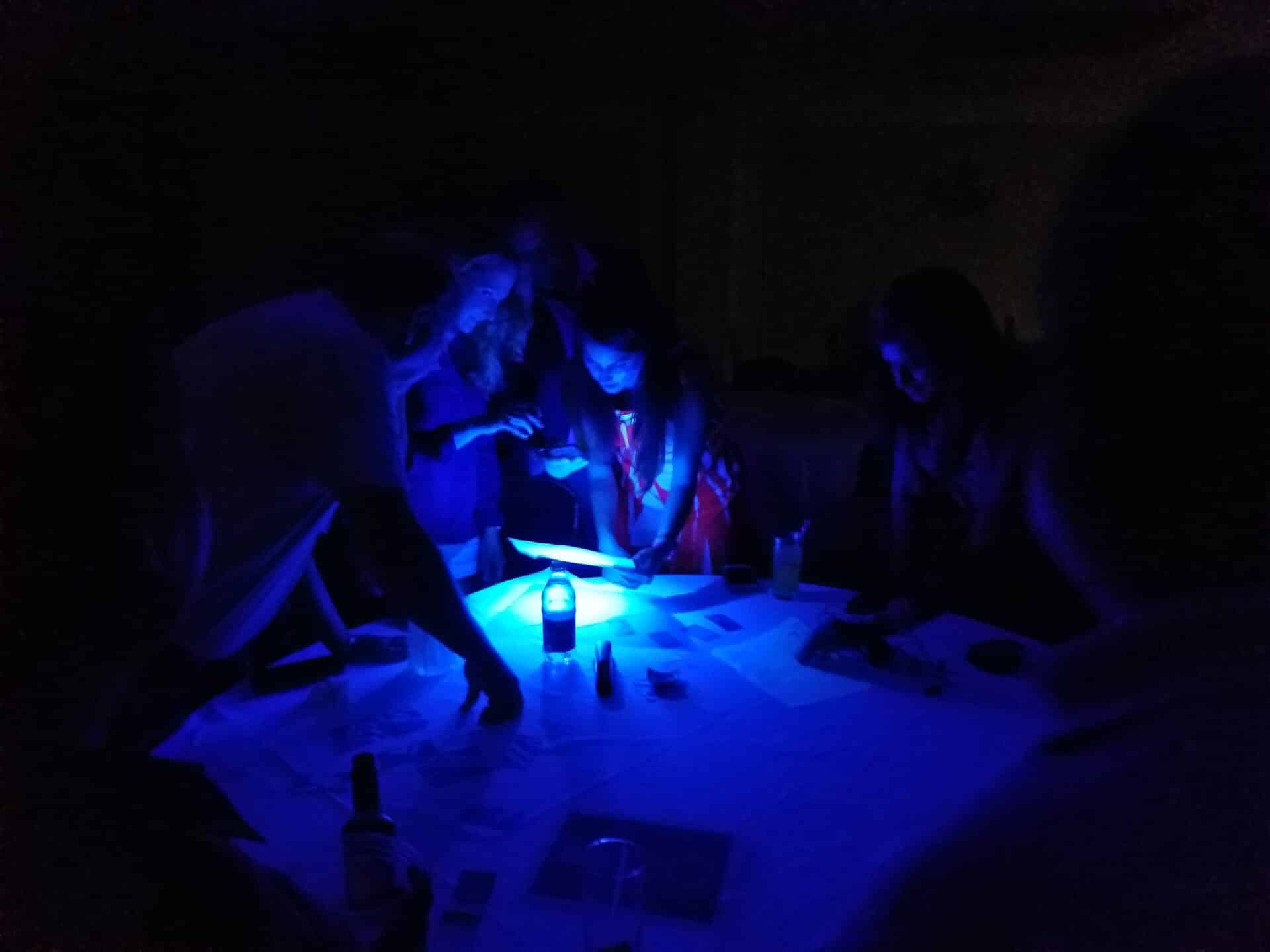
In an escape room environment, each team member brings a unique skill to the table. Someone spots patterns. Someone manages time. Someone connects clues. Someone keeps the energy steady.
Trust is not forced. It is earned through demonstrated competence.
When people solve problems together successfully, trust forms naturally.
2. Shared Goals Trigger Collective Motivation
Trust falls focus on symbolic trust. Escape challenges focus on tangible outcomes.
Humans are wired to rally around shared goals. When there is a visible countdown clock and a locked door, something powerful happens. Teams align. Communication sharpens. Energy rises.
There is urgency. There is purpose.
The brain responds to clear goals with heightened focus and engagement. Dopamine increases when progress is made. That shared neurological reward reinforces collaboration.
In short, solving something together feels good. And that feeling strengthens bonds.
3. Real-Time Problem Solving Mirrors Workplace Reality
In the workplace, challenges rarely look like someone falling backward into your arms.
They look like missed deadlines. Confusing data. Shifting priorities. Limited information.
Escape-style team building recreates this environment in a controlled and exciting way. Teams must:
-
Communicate clearly
-
Delegate efficiently
-
Adapt quickly
-
Manage time
-
Stay calm under pressure
Those are transferable skills.
Traditional exercises often isolate one variable. Escape challenges integrate them all.
That integration builds muscle memory for real collaboration.
4. Healthy Stress Builds Stronger Bonds
Mild, controlled stress strengthens social bonds. This is well documented in behavioral science.
When a team experiences challenge together and succeeds, their connection deepens. It is the same reason athletes bond during intense training sessions.
Trust falls create artificial vulnerability. Shared adversity creates shared pride.
That pride translates back to the office as confidence and cohesion.
5. Leadership Naturally Emerges
In traditional exercises, leaders are often pre-assigned.
In escape-style environments, leadership emerges organically.
You see who takes initiative.
You see who supports quietly.
You see who organizes chaos.
You see who motivates when morale dips.
That visibility is powerful for organizations looking to develop future leaders.
Instead of talking about leadership potential, you watch it happen.
6. Engagement Is Higher Because It’s Fun
Let’s be honest.
Some traditional team building activities feel like corporate homework.
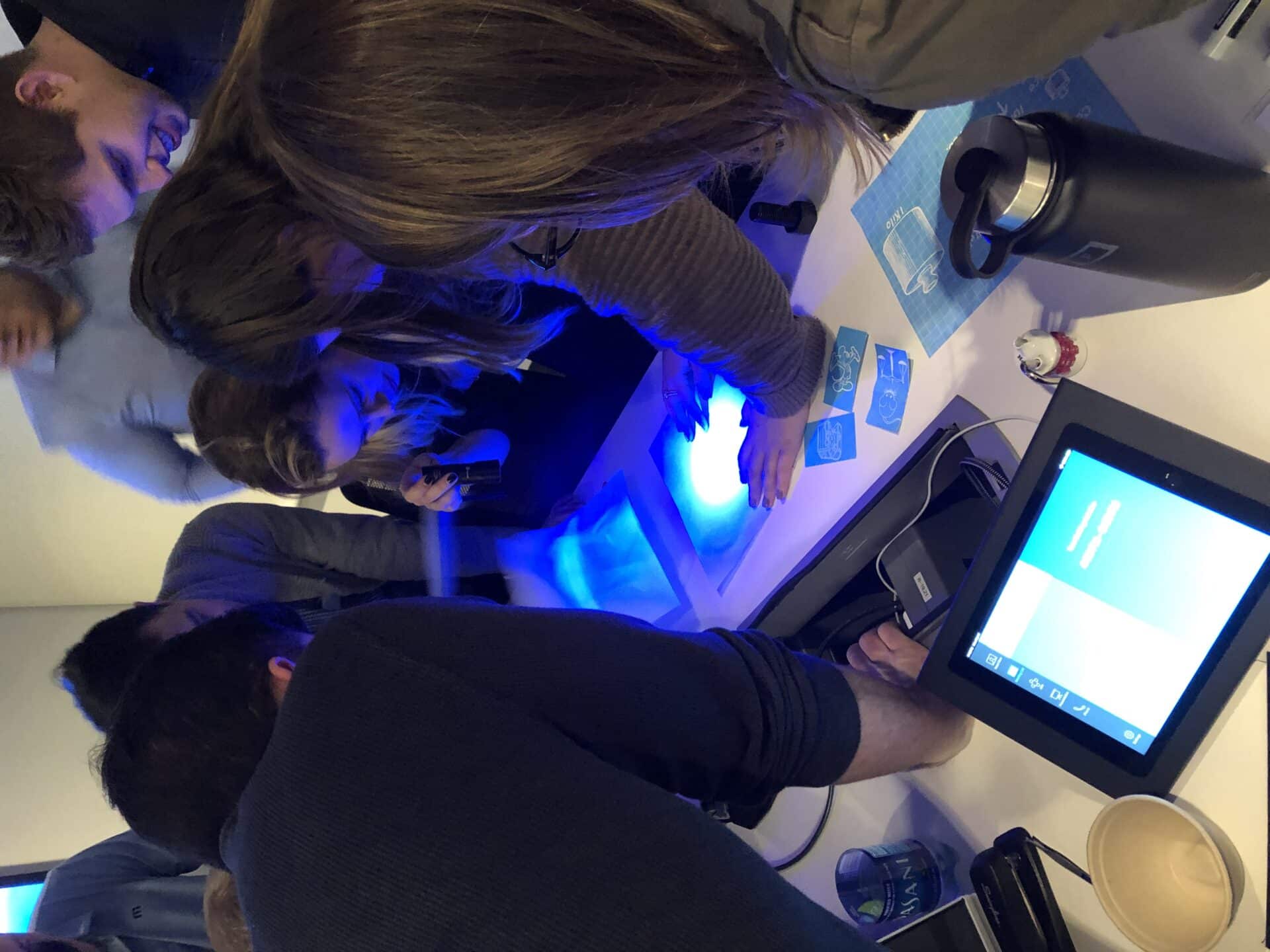
Escape-based challenges are immersive. They are story-driven. They are competitive. They are interactive.
When people are fully engaged, learning retention increases. The lessons stick because the experience was memorable.
Fun is not fluff. Fun is a performance multiplier.
So, Are Trust Falls Useless?
Not necessarily.
But they are incomplete.
Modern teams need experiences that challenge both intellect and collaboration. They need measurable outcomes. They need dynamic environments that feel relevant to the way work actually happens.
Escape-style team building does exactly that.