

Most corporate team building events produce nothing. People show up, go through motions that feel disconnected from their actual work, eat lunch, and fly home. Two weeks later, nobody can remember what the activity was. The budget line item stays in the spreadsheet. The team dynamic stays exactly where it was.
San Francisco has more options for corporate events than almost any city in the country. That abundance is part of the problem. Planners get pulled into comparing formats and venues before they’ve answered the only question that determines whether the event works: what is this team actually struggling with?
This guide is built around that question. It covers how to identify what your team needs, which formats address which problems, why San Francisco’s culture changes what works here, and what separates an event that shifts a team’s trajectory from one that just fills a calendar slot.
The Diagnosis Comes First
A team that’s siloed communicates differently than a team that’s burned out. A newly assembled group has different needs than a ten-year department that’s lost its edge. Picking a format before identifying the problem is like prescribing medicine without a diagnosis.
Here’s how to narrow it. Ask the three people closest to the team’s day-to-day reality, not the executive sponsor, these questions: Where does work slow down or stall? When was the last time this group produced something they were genuinely proud of? If you could change one thing about how this team operates, what would it be?
The answers will cluster around one of a few core issues. Communication gaps. Low trust between subgroups. A morale deficit after layoffs or a brutal quarter. A functional team that’s earned something better than a conference room lunch. Each of those situations needs a different event architecture. A planner who skips this step is spending money on a guess.
What San Francisco’s Culture Does to a Team Event
San Francisco is not a city that responds well to being told what to do. The industries that define the local economy, software, biotech, venture capital, design, all share a common trait: they select for people who challenge assumptions and resist prescribed paths. This isn’t just a tech-sector observation. It runs through the nonprofit world here, the restaurant scene, the arts community. The Bay Area has been filtering for independent thinkers since the Gold Rush.
This matters for team building because it changes what engages people and what falls flat. Formats with rigid scripts, predetermined outcomes, or facilitator-led step-by-step instructions tend to lose San Francisco audiences quickly.
What works is structured autonomy. Give a San Francisco corporate group a clear objective, a set of constraints, a time limit, and the freedom to figure out the approach themselves. The constraint is the key ingredient. Without it, autonomy becomes aimlessness. With it, you get the kind of competitive problem-solving energy that this city’s workforce is wired for. The best formats here feel less like organized activities and more like real problems that happen to have a clock running.
Matching Formats to Problems in San Francisco
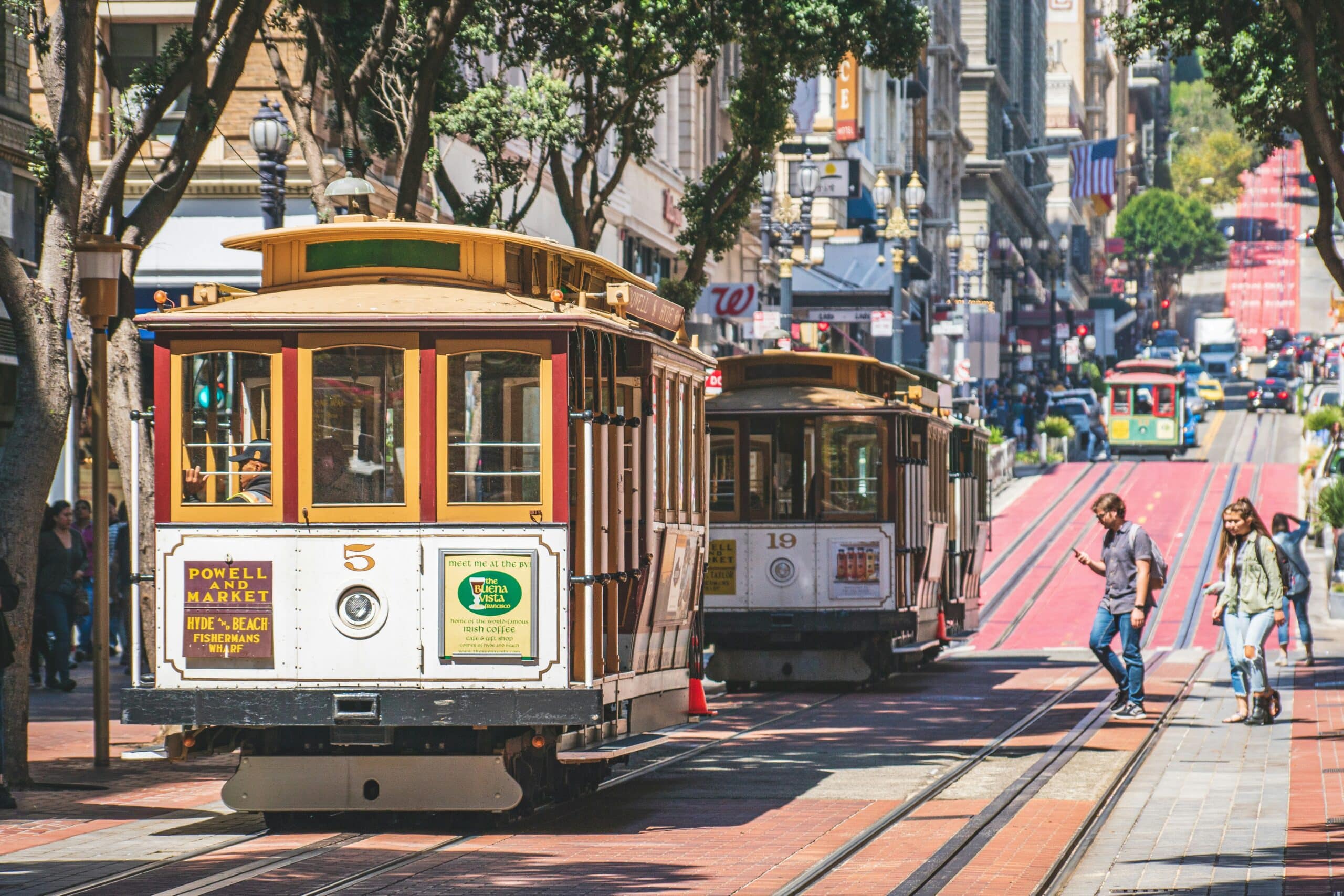
City-wide competitive missions work across the widest range of team situations because they combine real decision-making with physical movement through a city that provides constant visual and environmental variety. In San Francisco, this format benefits from the density of distinct neighborhoods within a small footprint. A team moving from the Embarcadero through North Beach to the edge of Chinatown in a single challenge leg passes through three completely different worlds in 20 minutes on foot. That environmental shift keeps attention sharp in a way that a single-venue format cannot. Groups dealing with communication gaps benefit from the forced collaboration under time pressure. Groups that are already strong benefit from the competition and the quality of the city as a backdrop.
Puzzle and constraint-based formats address trust and communication problems directly. When a group is locked into a shared problem with limited information and a countdown, hierarchy disappears. The quiet person who never speaks up in meetings turns out to be the one who sees the pattern. The loud voice in the room learns that volume doesn’t solve a cipher. These moments are diagnostic: they surface the actual dynamics of the team in a compressed timeframe. In a city where people pride themselves on intellectual problem-solving, this format earns respect quickly. It doesn’t feel like a game. It feels like a real test.
Strategic simulation and leadership formats serve intact executive teams or senior groups with a specific development objective. These are mentally intensive, discussion-heavy, and designed to pressure-test how a leadership group makes decisions under ambiguity. San Francisco executive teams tend to be fluent in strategic frameworks already, which means the simulation needs genuine complexity to hold attention. Shallow exercises get dismissed. The right version of this format forces trade-offs that mirror the actual decisions the team faces at work, run in an environment, like the Presidio’s historic buildings or a private space in the Marina, that separates the group from their daily context.
Physical team challenges serve a specific purpose: resetting energy and morale for a group that doesn’t have a structural problem but needs to feel invested in. The Presidio and Crissy Field are world-class settings for this. Golden Gate Park provides enough space for field-style events with 100 or more people. The catch in San Francisco is weather. September and October deliver reliably warm, clear conditions. Summer months require morning scheduling and a fog contingency plan, because an afternoon at Crissy Field in July can go from sunshine to 52 degrees and gray in less than an hour.
If you want a deeper breakdown of how to match each of these formats to your team’s specific situation before making a decision, this guide to choosing the right team building activity for your San Francisco corporate group walks through each scenario in detail.
What Separates a Good Event from a Forgettable One
The difference between a team event that changes something and one that doesn’t is rarely the format. It’s three things that happen around the format.
First, the facilitator has to know what they’re looking for. A briefing document from the organizer that names the team’s actual challenge gives the facilitator something to watch for during the event. Without it, they’re running a generic program. With it, they can shape the debrief around what actually surfaced.
Second, the event has to create genuine pressure. Not manufactured urgency. Genuine stakes within the challenge that force the group to make real choices with incomplete information. San Francisco teams in particular will disengage from anything that feels performative. The pressure needs to come from the structure of the challenge, not from a facilitator yelling “five minutes left” on repeat.
Third, the conversation after the event has to connect what happened during the challenge to how the team actually operates. The communication breakdown that showed up at the third checkpoint is the same one that derails the Tuesday product review. That connection is where the return on investment lives. Without it, the event stays in the category of “fun day out.” With it, the team carries something back to the office that changes behavior.
Why San Francisco Gives You Better Raw Material Than Most Cities
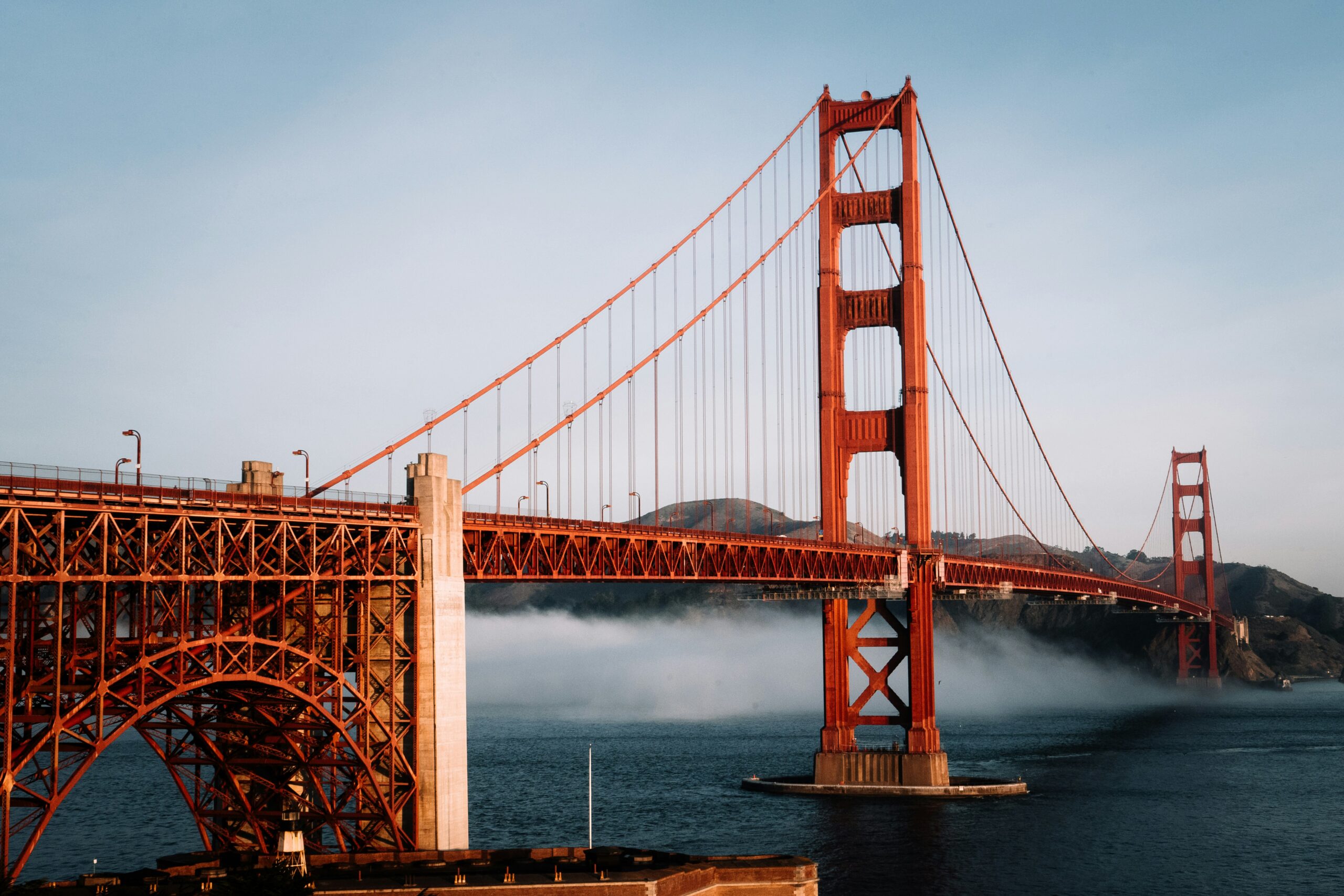
Few American cities offer what San Francisco puts within reach of a corporate event planner. A 1,491-acre national park with Golden Gate Bridge views. A waterfront promenade lined with public art and artisan food vendors. Neighborhoods that shift in character every six blocks: Italian bakeries in North Beach, murals in the Mission, glass towers in SoMa, Victorian homes climbing Russian Hill. All of it compressed into 49 square miles.
That compression is the structural advantage. Team building in San Francisco, CA benefits from a geography that lets a well-designed event move a group through four or five genuinely different environments in a half-day without anyone getting in a car. The variety sustains attention across a full event in a way that a single-venue format or a sprawling suburban city simply cannot replicate.
The restaurant infrastructure handles the post-event portion without effort. Hog Island Oyster Co. for waterfront seafood. Foreign Cinema for a dinner that doubles as an experience. Kokkari for a corporate dinner that impresses without trying. The city’s food scene means the meal after the event can reinforce the quality of the day rather than undercut it.
How to Book the Right Event
Start with your diagnosis. Then find a format that addresses it. Then find a provider that has run that format in San Francisco before and knows the venues, the logistics, and the weather variables well enough to build a contingency into the plan.
Adventure Games Inc. runs team building events for corporate groups of all sizes across San Francisco’s best venues. If you know what your team needs and want to figure out what that looks like on the ground, team building events in San Francisco, CA is the right place to start.