

The most common reason a team building event falls flat has nothing to do with the activity. It has to do with the planner choosing a format before understanding what the team actually needs. Minneapolis makes this mistake easier to avoid than most cities, because the corporate culture here gives you a clear signal about how groups are likely to respond. You just have to know what to look for.
Read the Room Before You Pick the Format
Every corporate group shows up with one of a few underlying conditions. Identifying the right one before you book anything is the difference between an event people remember and one they endure.
Some teams are in the early stages. New hires, post-merger integration, a remote workforce meeting in person for the first time. The goal for these groups is shared experience: something that builds a common reference point without forcing intimacy. Light competitive pressure works. Heavy emotional exercises do not.
Some teams are stuck. Meetings run long, decisions stall, and people protect their lanes instead of collaborating across them. These groups need a format that disrupts the pattern: a challenge where no individual can succeed alone and where the structure forces people to listen, delegate, and rely on unfamiliar teammates. Puzzle and strategy formats are built for this.
Some teams are already strong. They communicate well, they execute, and the event is an investment in retention and morale. For these groups, the experience itself is the point. The format needs to feel like a reward, not a diagnostic exercise. Quality of environment, pacing, and facilitator skill matter more than the specific challenge structure.
Figuring out which of these conditions your team is in takes a ten-minute conversation with the person who manages them daily. Skip that conversation and you are guessing.
How Minneapolis Corporate Culture Shapes the Day
Minneapolis is the kind of city where you can sit in a meeting with the VP of a Fortune 500 company and not realize it until someone mentions it afterward. The corporate density here is remarkable: Target, UnitedHealth Group, U.S. Bancorp, General Mills, Best Buy, 3M, and Ameriprise Financial all headquarter in the metro. But the cultural style runs quiet. People here do not lead with their title or their track record. They lead with competence and expect the same from others.
This means competitive formats land differently in Minneapolis than they do in cities built on overt ambition. Teams here will compete, and they will compete hard, but the aggression tends to stay internal. You will not see a Minneapolis team trash-talking opponents across the room. You will see them quietly outperforming because they prepared better and communicated more clearly. The competitive drive is real. It just sounds like a Midwestern accent.
Design for that. Formats that reward strategy, planning, and coordination will engage Minneapolis groups more consistently than formats that reward speed or volume. The challenge should feel thoughtful, not chaotic.
Matching Formats to Conditions
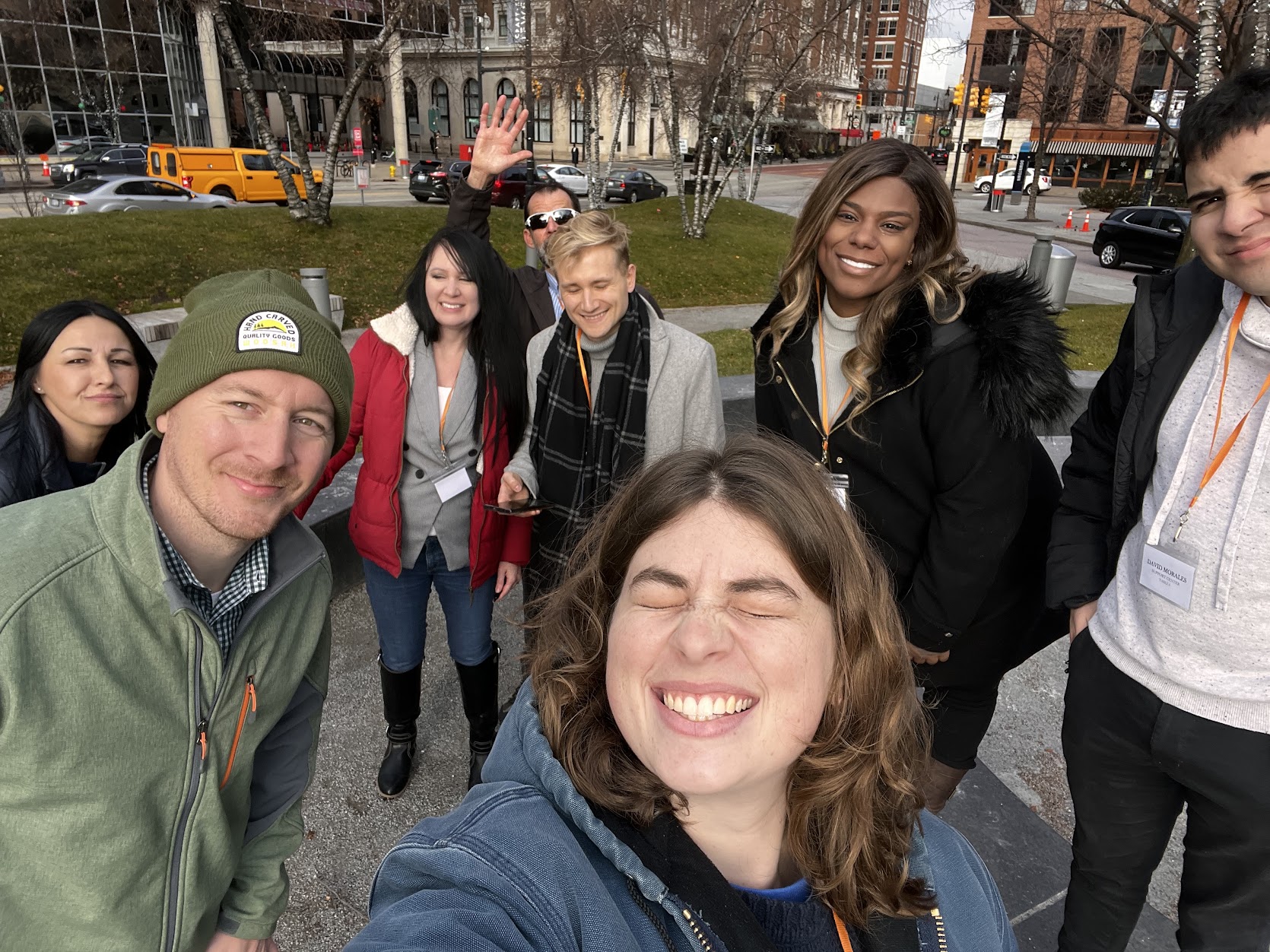
City-wide mission and challenge formats move teams through Minneapolis neighborhoods under time pressure, solving problems and making group decisions in real conditions. The physical layout of the city supports this format unusually well: the compact core, the distinct adjacent neighborhoods (North Loop, Mill District, Northeast, the Sculpture Garden corridor), and the connecting trails and bridges give a well-designed event genuine variety. Team building in Minneapolis, MN benefits from this compression. Teams encounter different environments every 15 to 20 minutes, which prevents disengagement and keeps decision-making sharp.
Puzzle and strategy formats work well for groups in the stuck condition. The constraint of the format strips away office dynamics and replaces them with a shared problem that demands real-time collaboration. In Minneapolis, where professionals default to polite consensus, a high-pressure puzzle format can surface communication patterns that would never appear in a conference room. That information is valuable.
Leadership and strategy games suit executive teams and intact leadership groups with a development goal beyond morale. The format is cognitively intensive and works best with groups that already trust each other. Minneapolis has a deep bench of senior corporate talent, and these groups respond to intellectual challenge.
High-energy physical formats serve the morale condition. Field games, relay challenges, and outdoor competitions work well in Minneapolis from June through October. The park infrastructure supports it. Theodore Wirth, Minnehaha, and the riverfront trail system all provide strong settings. Winter physical formats need to move indoors, and the city’s indoor venue options handle this cleanly.
If you want to get more specific about matching your team’s condition to a format before making a decision, this guide to choosing the right team building activity for your Minneapolis corporate group walks through each scenario in detail.
What a Strong Minneapolis Event Looks Like on the Ground
The preparation determines the outcome. A facilitator who shows up without a clear brief on team size, team dynamics, physical limitations, and what success looks like is improvising. In Minneapolis, where groups are perceptive and professional, improvisation reads immediately.
During the event, the format should create enough pressure that people stop performing their work selves and start operating on instinct. Minneapolis teams have a talent for defaulting to consensus-building, which is productive in meetings but can become a bottleneck under time pressure. A well-designed challenge surfaces that bottleneck and gives the team a chance to adapt in real time.
After the event, the conversation that matters is not about who won. It is about what patterns showed up. The team that could not delegate in the challenge is the same team that bottlenecks in sprint planning. The person who took charge under pressure is the same person everyone already knew was underutilized. Those connections, between what happened in the event and how the team operates on Tuesday morning, are what make the investment pay.
Why Minneapolis Gives You Better Raw Material
The geography matters. A city-wide team event in Minneapolis moves through environments that are meaningfully different from each other: the exposed industrial ruins along the riverfront, the curated sculpture fields near the Walker Art Center, the murals and brewery patios of Northeast, the polished storefronts of the North Loop. That visual and cultural variety prevents the monotony that kills engagement in cities where every block looks the same.
The seasonality matters too. A September event in Minneapolis operates in near-ideal conditions: comfortable temperatures, low humidity, extended daylight, and a city that is at peak energy after a long winter. Planners who have flexibility on dates should target that window.
How to Book the Right Event
Start with the team condition. Then pick a format that addresses it. Then find a provider who knows Minneapolis well enough to build around the weather, the neighborhoods, and the transit logistics without guessing.
Adventure Games Inc. has been running corporate team events across Minneapolis for groups of all sizes. If you know what your team needs and want to build something that fits, explore Minneapolis team building options and start the conversation.